
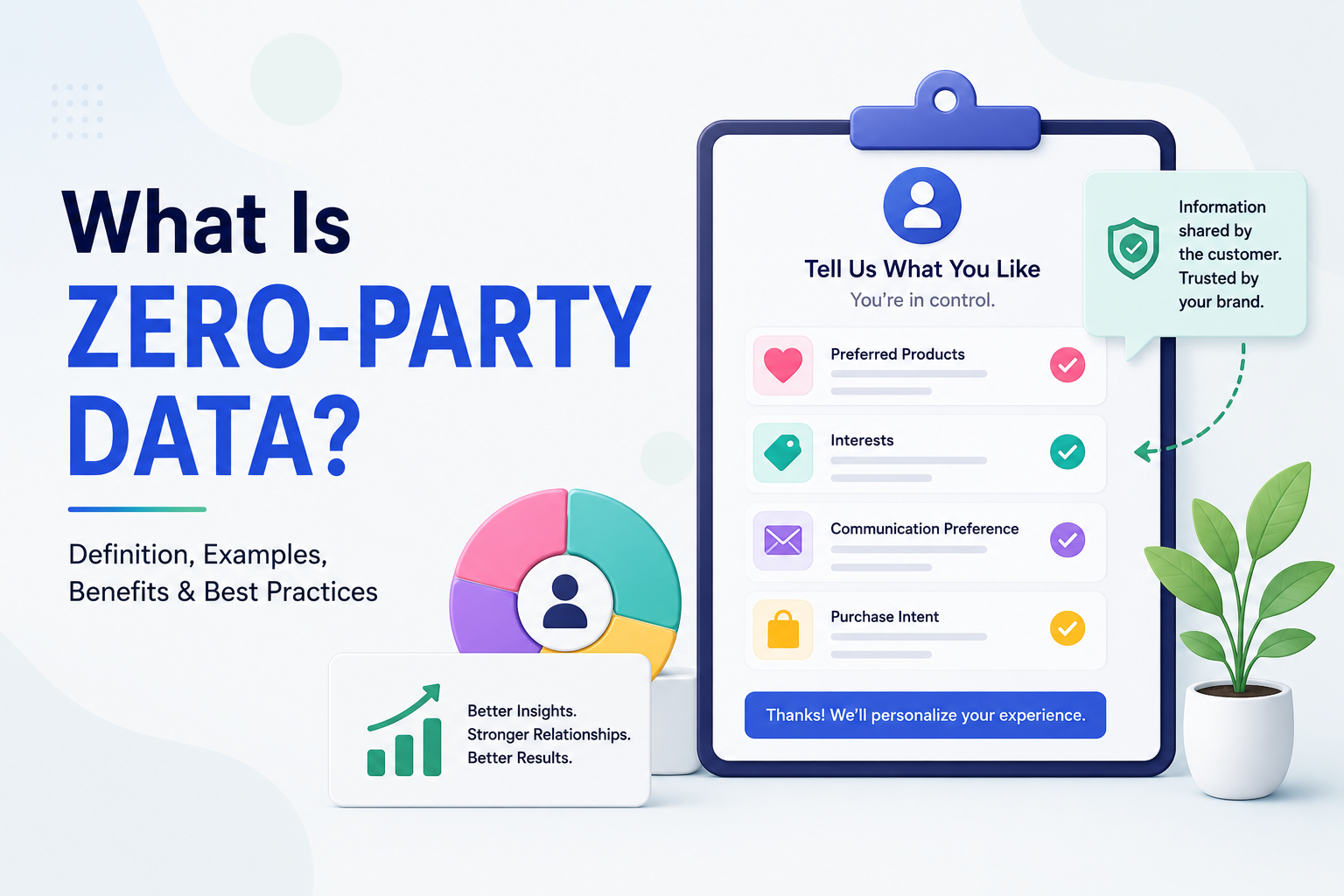
Have you ever wondered how your favorite brands seem to know exactly what you want before you even click buy? In 2026, the secret lies in how companies gather information directly from their customers. This specific type of information is a critical asset for any modern marketing strategy.
When you provide your preferences or interests to a business, you are sharing what is known as zero party data. Understanding what is zero party data allows you to move beyond guessing and start building authentic, direct relationships with your audience. This guide will show you how to leverage these insights to drive meaningful growth.
By focusing on information that users willingly hand over, you can create personalized experiences that keep people coming back. We will explore the best ways to collect and use these insights to stay ahead in a competitive digital landscape.
Key Takeaways
- It represents information intentionally shared by customers with a brand.
- This approach builds trust and improves long-term customer loyalty.
- It helps marketers create highly personalized shopping experiences.
- Collecting these insights directly reduces reliance on third-party tracking.
- Transparency is the foundation of successful collection strategies.
Turn Zero-Party Data into Measurable Business Growth
Start transforming customer insights into business growth with privacy-first solutions. Visit our homepage to discover powerful tools or explore plans tailored to your marketing goals.
Defining Zero Party Data in the Modern Marketing Landscape
Understanding the shift toward transparent data practices is essential for your brand’s long-term success. As privacy regulations tighten, the digital environment has moved away from opaque tracking methods. You must now prioritize direct communication to build a sustainable marketing ecosystem using zero party data.
The Evolution of Data Privacy and Consumer Trust
Historically, companies relied on tracking pixels and third-party cookies to monitor user behavior across the web. This approach often occurred without the user’s explicit knowledge, leading to a significant erosion of consumer trust. Today, customers demand more control over their personal information and expect brands to be honest about how they use it.
This change in sentiment has forced marketers to rethink their strategies entirely. By adopting a transparent approach, you can foster deeper relationships with your audience. Utilizing zero party data allows you to align your business goals with the privacy expectations of your modern customer base.
Distinguishing Zero-Party Data from Other Data Types
It is important to understand exactly what sets this information apart from other categories. Unlike data that is observed or inferred through tracking, zero party data is intentionally shared by the customer. This includes preferences, purchase intentions, and personal interests provided directly to your brand.
Key differences exist between this proactive data and traditional metrics. While first-party data is collected through interactions on your site, zero party data represents a conscious effort by the user to tell you what they want. This distinction is vital for creating highly relevant experiences that resonate with your audience.
Zero-Party Data vs First-Party Data: Key Differences
Understanding the distinction between zero party data vs first party data is essential for modern digital strategy. While both types of information help you build a better customer profile, they originate from different sources and serve unique purposes in your marketing stack.
What are First-Party Data Collection Methods?
First-party data is information you collect directly from your audience through their interactions with your digital properties. This typically involves behavioral tracking, such as monitoring which pages a user visits, how long they stay on a site, and what items they add to their shopping cart.
Because this data is gathered passively, it provides a clear view of what customers are doing. However, it does not always explain the underlying motivation behind those actions.
Why Zero-Party Data Offers Higher Intent Accuracy
When you look at zero party vs first party data, the primary difference lies in the level of intent. Zero-party data is information that a customer intentionally and proactively shares with your brand. This might include preferences, purchase intentions, or personal interests provided through surveys and interactive quizzes.
Because the user provides this information directly, it carries a much higher level of accuracy regarding their future needs. You no longer have to guess why a customer is browsing; they have told you exactly what they are looking for.
- Zero-Party Data: Explicitly shared by the user.
- First-Party Data: Observed through behavioral patterns.
- Accuracy: Zero-party data reflects stated intent, while first-party data reflects past actions.
Strategic Overlap Between First and Zero-Party Data
The most successful brands do not choose one over the other; they use them in tandem. By combining the behavioral insights of first-party data with the explicit preferences found in zero party vs first party data, you create a comprehensive customer profile.
| Feature | First-Party Data | Zero-Party Data |
|---|---|---|
| Collection Method | Passive Tracking | Active Engagement |
| Primary Insight | Past Behavior | Future Intent |
| User Awareness | Low/Implicit | High/Explicit |
This strategic overlap allows you to validate your assumptions. When a user’s behavior matches their stated preferences, you can confidently deliver hyper-personalized experiences that drive long-term loyalty and higher conversion rates.
The Core Benefits of Leveraging Zero-Party Data
You can unlock significant growth by leveraging the information your customers share directly with you. By moving toward a model built on zero party data, you gain access to insights that are both accurate and intentionally provided by your audience. This shift allows your business to move beyond guesswork and into a realm of precision marketing.
Enhancing Personalization and Customer Experience
When customers tell you exactly what they want, you can deliver highly relevant experiences. This level of hyper-personalization fosters deep brand loyalty because users feel understood rather than targeted by intrusive algorithms.
By utilizing zero party data, you create a feedback loop that improves every interaction. Whether it is product recommendations or tailored email content, your messaging becomes a welcome service instead of a nuisance.
Reducing Reliance on Third-Party Cookies
The digital landscape is shifting away from tracking methods that compromise user privacy. Relying on third-party cookies is becoming increasingly risky and less effective due to browser restrictions and privacy regulations.
Adopting a strategy focused on zero party data provides a sustainable alternative. You no longer need to depend on external vendors to understand your customer base, which lowers your long-term operational costs and builds trust.
Improving Marketing ROI Through Better Segmentation
Better data leads to better results. When you segment your audience based on their stated preferences, your marketing campaigns achieve higher conversion rates.
You can allocate your budget more efficiently by targeting specific groups with offers they actually want. This precision ensures that your marketing ROI remains high, as you stop wasting resources on broad, ineffective outreach.
| Data Type | Source | Accuracy Level | Privacy Impact |
|---|---|---|---|
| Zero-Party | Directly from User | Very High | Positive |
| First-Party | Behavioral Tracking | Moderate | Neutral |
| Third-Party | External Aggregators | Low | Negative |
Real-World Examples of Zero-Party Data Collection
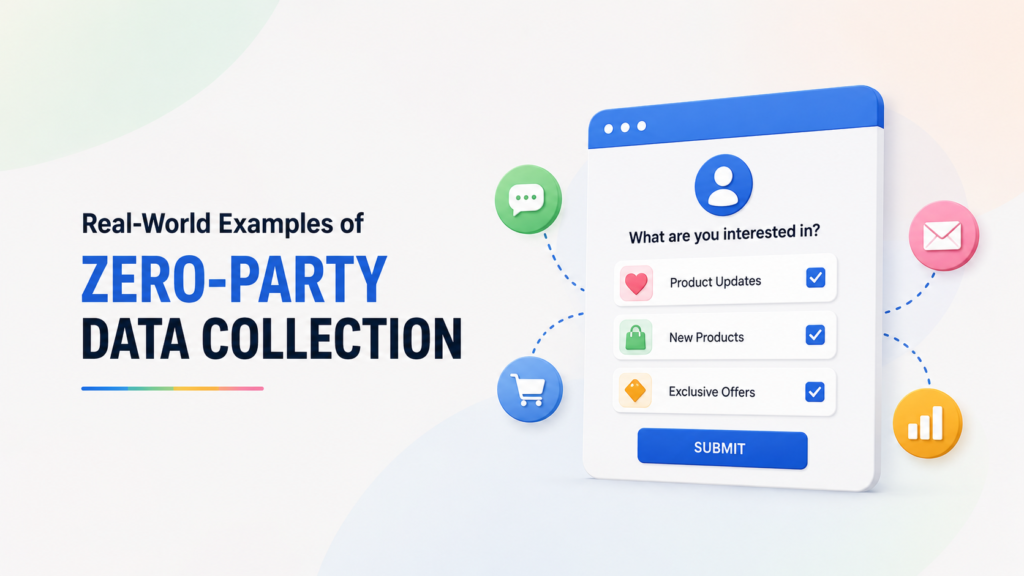
Understanding your audience requires more than just tracking clicks; it requires asking the right questions. By inviting customers to share their preferences, you create a two-way conversation that builds long-term loyalty. This approach ensures that your marketing efforts remain relevant and highly targeted to individual needs.
Interactive Quizzes and Product Recommendations
Many beauty and fashion brands use interactive quizzes to guide shoppers toward the perfect purchase. For instance, a skincare company might ask about your skin type, concerns, and climate to provide a customized product routine. This method turns a simple shopping trip into a personalized experience.
When you provide immediate value through these recommendations, customers feel more comfortable sharing their personal details. They are not just giving away data; they are receiving a solution tailored specifically to them. This exchange is the cornerstone of a successful data strategy.
Preference Centers and Subscription Management
Preference centers allow your customers to take control of their relationship with your brand. Instead of unsubscribing entirely, users can choose the frequency and type of content they receive. This gives you valuable insights into what your audience truly cares about.
You might offer options to select specific product categories or interest areas. By respecting these choices, you demonstrate that you value their time and attention. This level of transparency fosters trust and keeps your email lists clean and engaged.
Post-Purchase Surveys and Feedback Loops
The journey does not end when a customer completes a transaction. Post-purchase surveys provide a unique opportunity to learn about the user experience and future intent. You can ask about their satisfaction levels or what other products they might be interested in exploring next.
These feedback loops help you refine your offerings and improve your service quality. By acting on this information, you show your customers that their voices have a direct impact on your business decisions. This creates a stronger emotional connection that keeps them coming back for more.
How to Collect Zero-Party Data Effectively
Learning how to collect zero party data requires a shift in how you view customer interactions. Instead of tracking behavior in the shadows, you must invite your audience to participate in a transparent exchange. When you provide clear benefits, customers are much more likely to share their personal preferences with your brand.
Ready to Build a Privacy-First Marketing Strategy?
Ready to collect smarter customer data? Visit our homepage to learn how our platform simplifies zero-party data collection, or compare plans to find your perfect fit.
Designing Engaging Value Exchanges
The foundation of a successful strategy is the value exchange. You must offer something meaningful in return for the information provided. If you want users to share their data, ensure the incentive feels personal and immediate.
- Exclusive discounts or early access to new product launches.
- Personalized content recommendations based on specific user interests.
- Access to gated educational resources or expert guides.
Utilizing Conversational Marketing Tools
Conversational marketing tools allow you to gather zero party data in a way that feels like a natural dialogue. By using chatbots or interactive messaging, you can ask targeted questions during the shopping journey. This approach makes the data collection process feel helpful rather than intrusive.
These tools help you capture intent in real-time. For example, a chatbot can ask a visitor about their skin type or style preferences before suggesting products. This creates a tailored experience that increases the likelihood of a conversion.
Implementing Progressive Profiling Techniques
You do not need to capture every detail about a customer in a single interaction. Progressive profiling is a smart way to learn how to collect zero party data over time. By asking for small pieces of information at different touchpoints, you avoid overwhelming your audience.
Start with basic contact details and slowly build a richer profile as the relationship grows. This method keeps the user experience smooth and prevents form fatigue. Over time, this zero party data becomes a powerful asset for your long-term marketing strategy, allowing you to deliver highly relevant messaging that resonates with your customers.
Technical Infrastructure for Managing Zero-Party Data
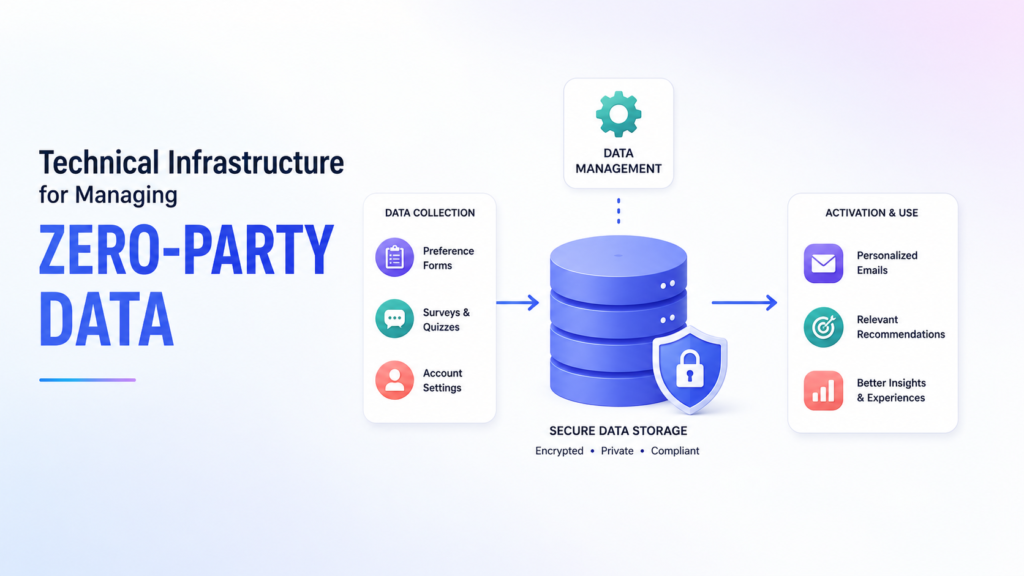
Managing zero party data successfully depends on the strength of your underlying technical infrastructure. Without a reliable system, the valuable insights you collect from customers may remain siloed or underutilized. You must ensure your stack is built to handle incoming information with speed and accuracy.
Integrating Data with Customer Relationship Management Systems
Your Customer Relationship Management (CRM) system acts as the central hub for your customer profiles. By integrating zero party data directly into this platform, you create a unified view of every individual. This allows your marketing team to trigger automated campaigns based on specific preferences shared by the user.
Modern APIs and middleware solutions facilitate seamless data flow between your collection tools and your CRM. Real-time synchronization ensures that when a customer updates their preferences, your marketing automation reflects those changes instantly. This connectivity is vital for maintaining high-intent accuracy across all channels.
“Data is only as valuable as your ability to act on it. A well-integrated CRM turns raw information into meaningful customer experiences.”
Ensuring Data Security and Compliance Standards
Protecting the information you collect is a non-negotiable aspect of your zero party data strategy. You must implement robust encryption protocols for both data at rest and data in transit. This safeguards sensitive customer details from unauthorized access and potential breaches.
Compliance with global privacy standards is equally critical for long-term success. You should utilize consent management platforms to track how and when users provide their information. Maintaining a clear audit trail helps you stay aligned with evolving regulations while building trust with your audience.
| Infrastructure Component | Primary Function | Security Priority |
|---|---|---|
| CRM Integration | Centralizing user profiles | High |
| Encryption Tools | Protecting data integrity | Critical |
| Consent Management | Tracking user permissions | High |
By prioritizing these technical requirements, you ensure that your zero party data remains a secure and actionable asset. A proactive approach to your infrastructure will ultimately lead to better customer relationships and improved marketing performance.
Common Challenges in Zero-Party Data Strategies
Building a robust framework for zero party data requires navigating several common operational challenges. While the potential for personalization is immense, you must remain mindful of how your audience perceives these requests for information.
Overcoming Consumer Fatigue and Privacy Concerns
Consumers today are often overwhelmed by constant requests for their personal details. To prevent fatigue, you should keep your interactions brief and ensure every question provides immediate value to the user.
Transparency is your best tool for addressing privacy concerns. When you clearly explain why you need specific information and how it improves their experience, users are far more likely to share zero party data willingly.
“Trust is the currency of the digital age; without it, even the most sophisticated data collection strategies will fail to gain traction.”
Maintaining Data Hygiene and Accuracy
Collecting information is only the first step in a successful strategy. You must implement rigorous processes to ensure that the zero party data you gather remains clean, organized, and actionable for your marketing team.
Regular audits are essential to identify outdated or redundant entries within your database. By integrating your collection tools directly with your CRM, you can automate validation checks to maintain high data hygiene standards.
Consistency in how you tag and categorize responses will prevent fragmentation. When your team trusts the accuracy of the zero party data, they can create more effective, targeted campaigns that resonate with your customers.
Best Practices for Maximizing Data Quality
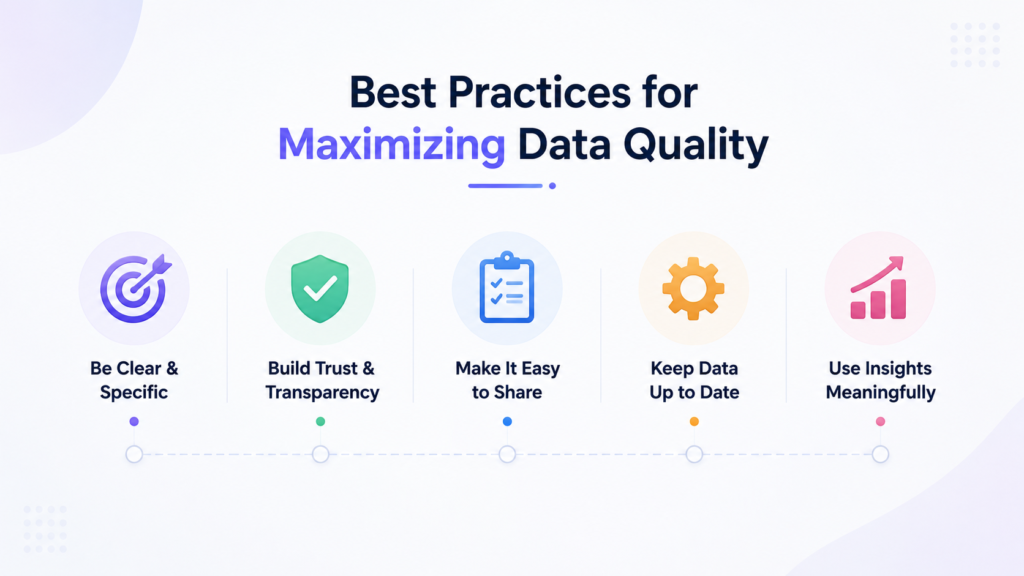
If you want better data, you must first provide a better experience for your users. High-quality information does not happen by accident; it is the result of intentional design and clear communication. When you prioritize the user, the quality of the insights you gather will naturally improve.
Transparency and Value Proposition Communication
Users are often hesitant to share personal details unless they understand the benefit. You must be completely transparent about why you are collecting specific information. Clearly explain how their input will lead to a more personalized experience or exclusive rewards.
When your value proposition is clear, users feel more comfortable participating. Avoid vague language that leaves customers guessing about their privacy. Instead, use simple terms to show that you respect their data and intend to use it to solve their specific problems.
Optimizing User Experience for Data Entry
The way you design your data collection forms directly impacts your completion rates. Keep your forms short, intuitive, and mobile-friendly to reduce friction. If a process feels like a chore, users will likely abandon it before finishing.
Consider using progress bars or step-by-step layouts to make long surveys feel manageable. By breaking questions into smaller chunks, you prevent cognitive overload and keep the user engaged. High-quality data is much easier to obtain when the entry process is smooth and enjoyable for your audience.
Legal Considerations and Consumer Privacy Regulations
Understanding the legal landscape is essential for any business that values long-term customer relationships. As you gather information directly from your audience, you must ensure that your methods align with current federal and state requirements. Staying informed helps you avoid costly penalties while fostering a secure environment for your users.
Navigating CCPA and Evolving US Privacy Laws
The California Consumer Privacy Act (CCPA) and its successor, the California Privacy Rights Act (CPRA), have set a high bar for data handling in the United States. These regulations grant consumers specific rights, including the right to know what data you collect and the right to request its deletion. You must ensure your systems can track and honor these requests promptly.
Beyond California, several other states have introduced their own privacy frameworks. Maintaining a flexible data infrastructure allows you to adapt to these shifting requirements without disrupting your marketing operations. Regularly auditing your data collection practices ensures that you remain compliant as new legislation emerges across the country.
Building Long-Term Brand Trust Through Ethical Data Use
Compliance is only the first step toward a sustainable data strategy. True success comes from treating your customers’ information with the respect it deserves. When you are transparent about why you need specific data, you create a foundation of mutual respect.
Ethical data use serves as a powerful differentiator in a crowded marketplace. Customers are far more likely to share accurate information when they trust that you will use it to improve their experience rather than exploit it. By prioritizing privacy, you turn legal necessity into a competitive advantage that strengthens your brand reputation over time.
Future Trends in Zero Party Data for 2026 and Beyond
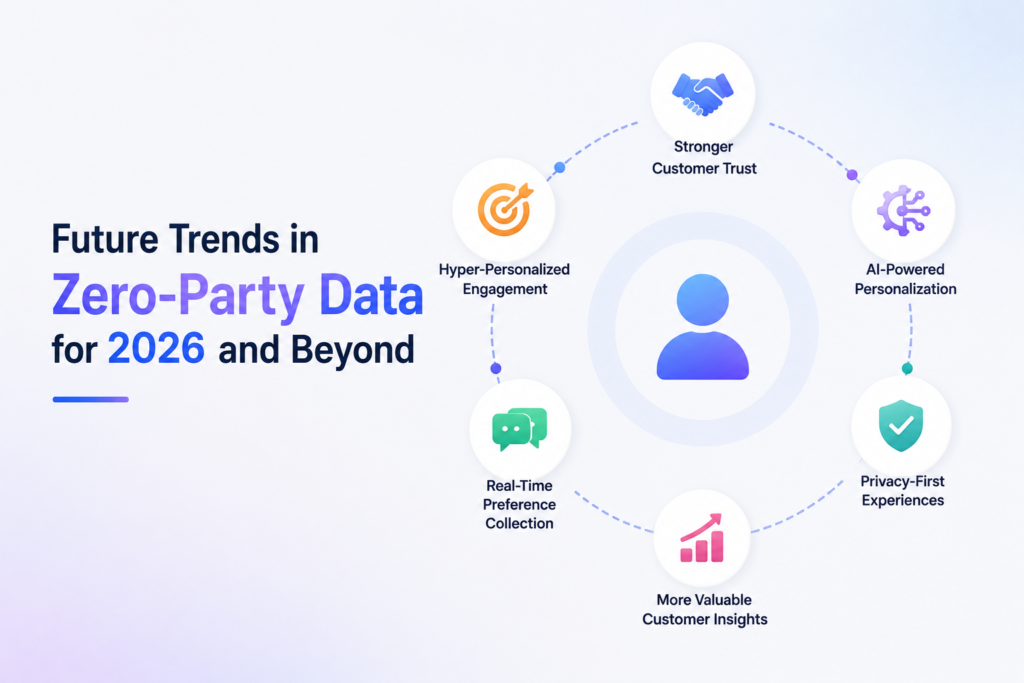
As we look toward 2026, the landscape of digital marketing is shifting rapidly. Brands are moving away from passive tracking toward active, intentional engagement with their audiences. The rise of zero party data represents a fundamental change in how companies build lasting relationships with their customers.
The Role of Artificial Intelligence in Data Interpretation
Artificial intelligence is becoming the engine that powers modern data strategies. By using machine learning, you can now process vast amounts of information provided directly by your users. This technology helps you identify patterns that were previously invisible to human analysts.
AI tools allow you to turn raw preferences into actionable insights in real time. Instead of manually sorting through survey results, your systems can automatically adjust product offerings based on what a user just shared. This creates a seamless loop where your brand learns and adapts instantly.
Hyper-Personalization at Scale
Achieving true personalization for thousands of customers used to be a massive logistical challenge. Today, advanced automation makes it possible to deliver unique experiences to every individual. By leveraging zero party data, you can ensure that every interaction feels personal and relevant.
This level of precision builds deep trust and encourages long-term loyalty. When customers feel understood, they are more likely to engage with your brand repeatedly. The following table outlines how these future trends will impact your marketing operations.
| Strategy Element | Current Approach | 2026 Future Outlook |
|---|---|---|
| Data Collection | Manual surveys | AI-driven conversational flows |
| Personalization | Segment-based | Individualized hyper-personalization |
| Response Time | Delayed analysis | Real-time automated adjustment |
| Customer Trust | Basic transparency | Value-based data partnerships |
Moving forward, the brands that succeed will be those that prioritize ethical data collection. By combining human-centric values with powerful AI, you can create a sustainable competitive advantage. The future of marketing is not just about having more data, but about having the right data to serve your customers better.
Transform Customer Insights into Higher Conversions
Build stronger customer relationships with data-driven marketing solutions. Explore our homepage for expert resources, or view our flexible plans to accelerate your business growth.
Conclusion
Your path to sustainable growth in 2026 relies on the direct information your customers share with you. By moving away from reliance on third-party tracking, you gain a clearer picture of individual needs and preferences.
Brands like Nike and Sephora show that asking for input creates a stronger bond with your audience. You turn passive visitors into active participants by prioritizing clear value exchanges and honest communication.
Managing this data requires a commitment to security and ethical standards. You protect your reputation when you treat consumer information with the respect it deserves. This trust becomes your most valuable asset in a competitive digital market.
Start implementing these strategies today to refine your outreach efforts. You will see better results when your marketing reflects the actual desires of your target audience. Your dedication to transparency will pave the way for long-term success and deeper customer loyalty.
FAQs
What is zero party data and why is it important for your 2026 marketing strategy?
What is zero party data? It is information that your customer intentionally and proactively shares with your brand. Unlike other data types, it includes personal preferences, purchase intentions, and how an individual wants to be recognized. In 2026, it is essential because it allows you to build direct relationships based on transparency, especially as privacy regulations tighten and third-party cookies disappear.
Zero party data vs first party data: What are the primary differences you should know?
When comparing zero party data vs first party data, the distinction lies in the method of collection. First-party data is typically gathered through behavioral tracking, such as monitoring which pages a user visits on your website or their purchase history. In contrast, zero party vs first party data focuses on explicit sharing; the customer tells you exactly what they want through quizzes or surveys, providing a higher level of intent accuracy and eliminating the need for guesswork.
How to collect zero party data without causing consumer fatigue?
To learn how to collect zero party data effectively, you should focus on a fair value exchange. This means offering something of value—like a personalized discount, a tailored style guide, or exclusive access—in return for their information. Utilizing conversational marketing tools and progressive profiling allows you to gather insights incrementally over time, ensuring the experience feels like a helpful dialogue rather than an interrogation.
Which real-world brands are successfully using zero-party data today?
Global leaders like Nike and Sephora excel in this area. Nike uses its membership apps to ask users about their fitness goals and preferred sports to deliver hyper-personalized product recommendations. Similarly, Sephora utilizes its “Beauty Quiz” to collect data on skin type and hair concerns, ensuring that the marketing emails you receive are strictly relevant to your personal profile, which significantly boosts marketing ROI.
How does zero-party data help you navigate CCPA and other privacy regulations?
Because zero-party data is provided voluntarily and explicitly, it inherently aligns with the principles of the CCPA and other evolving US privacy laws. By being transparent about why you are collecting the data and how it will be used to benefit the customer, you build long-term brand trust. This ethical approach to data use minimizes legal risks and positions your brand as a protector of consumer privacy.
What role will Artificial Intelligence play in managing this data by 2026?
By 2026, Artificial Intelligence will be the primary engine for interpreting the vast sets of zero-party data you collect. AI tools will help you achieve hyper-personalization at scale, automatically segmenting your audience based on the specific preferences they’ve shared. This integration into your Customer Relationship Management (CRM) systems ensures that every interaction a customer has with your brand, whether via email, social media, or in-person, is informed by their self-reported data.
How can you maintain high data hygiene for the information you collect?
To ensure your data remains accurate and actionable, you should implement regular feedback loops and easy-to-use preference centers. Allow your customers to update their information easily as their tastes change. By optimizing the user experience (UX) for data entry and maintaining transparency, you encourage users to keep their profiles current, which maximizes the overall quality of your marketing database.
Can small businesses benefit from zero-party data?
Yes. Small businesses can use zero-party data to better understand customer preferences without investing in expensive analytics tools. By collecting information through surveys, quizzes, signup forms, and preference centres, they can create personalised marketing campaigns, improve customer satisfaction, and increase conversion rates while building trust.
What are the best tools for collecting zero-party data?
Popular tools for collecting zero-party data include interactive quiz builders, customer feedback platforms, email preference centres, CRM software, chatbots, and marketing automation tools. These solutions help businesses gather customer preferences directly, organise responses, and deliver personalised experiences across multiple marketing channels.
Is zero-party data replacing third-party cookies?
Zero-party data is becoming one of the strongest alternatives to third-party cookies, but it is not a direct replacement. Instead of tracking users across websites, businesses collect information that customers willingly share. This privacy-first approach improves data accuracy, strengthens customer relationships, and supports compliance with evolving data protection regulations.
1 thought on “What Is Zero Party Data? Definition, Examples, Benefits & Best Practices”