
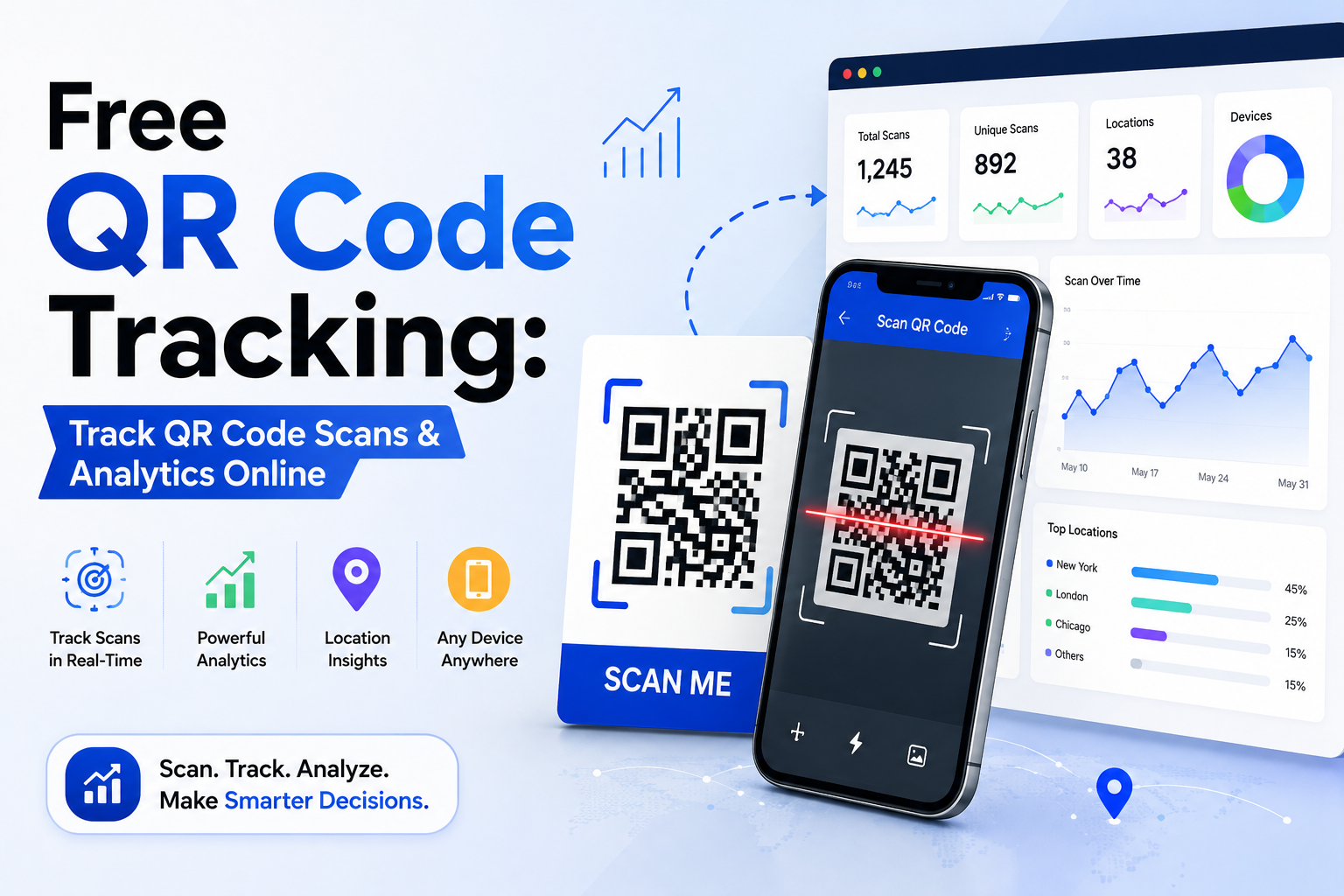
Did you know that nearly 90% of consumers engage with mobile-scannable graphics, yet most companies never measure the actual impact of these interactions? Without proper oversight, your printed materials remain silent assets that offer no feedback on customer behavior.
Implementing QR code tracking allows you to transform static print advertisements into measurable digital touchpoints. By gaining access to real-time data, you can see exactly how your audience interacts with your brand in the physical world.
You can bridge the gap between offline marketing and your online conversion funnels with ease. Utilizing free qr code tracking tools provides the actionable insights necessary to refine your strategy and maximize your return on investment. Start monitoring your performance today to turn every scan into a valuable business opportunity.
Key Takeaways
- Understand how scannable graphics bridge the gap between physical and digital marketing.
- Learn to measure customer engagement beyond simple impressions.
- Use data to optimize your conversion funnels effectively.
- Access professional analytics without significant overhead costs.
- Turn static print advertisements into dynamic, measurable assets.
Start Tracking Your QR Codes for Free
Turn every scan into measurable marketing insight. Create a free trackable QR code, monitor engagement, discover audience behavior, and make smarter campaign decisions today.
The Importance of QR Code Tracking for Modern Marketing
Modern marketing success relies on your ability to measure every touchpoint with effective qr code tracking, especially when bridging the gap between physical and digital spaces. Without a clear view of how your audience interacts with your materials, you are essentially flying blind. Implementing qr codes and tracking allows you to transform static print media into a dynamic source of actionable intelligence.
Why Static Codes Are Not Enough
Static QR codes are essentially digital dead ends. Once you print them, they point to a single URL and offer no way to update the destination or gather information about the people scanning them. You cannot see who scanned the code, when they did it, or what device they used.
This lack of visibility makes it impossible to calculate your return on investment. If you cannot measure the performance of your print ads, you cannot optimize them for better results. Relying on static tools limits your growth and prevents you from making data-driven decisions that could save your budget.
Bridging the Gap Between Offline and Online Engagement
Dynamic solutions change the game by providing a bridge between your physical advertisements and your digital analytics through qr code tracking. By utilizing advanced qr codes and tracking, you gain the ability to monitor engagement patterns in real time. This visibility is essential for understanding how your offline materials influence online behavior.
When you track these interactions, you can identify which locations or campaigns generate the most interest. You can then refine your strategy to focus on what works best for your audience. Optimizing your marketing becomes a continuous process of improvement rather than a guessing game, ensuring that every scan brings you closer to your business goals.
Understanding How QR Code Tracking Works
To master your marketing analytics, you must first grasp the underlying mechanics of how a qr code tracker functions. While these squares may look identical to the naked eye, the technology embedded within them determines whether you can capture valuable user data or if the scan remains a mystery.
By learning how these codes communicate with your servers, you can better understand how qr code tracking works and make informed decisions about which type of code fits your specific campaign goals. This technical foundation is essential for any professional looking to bridge the gap between physical advertisements and digital engagement.
The Difference Between Static and Dynamic QR Codes
Static QR codes are the simplest form of this technology. They encode your destination URL directly into the pattern of the code itself. Because the information is hard-coded, you cannot change the destination once the code is printed, and they offer no built-in way to track individual scans.
In contrast, a dynamic qr code tracker utilizes a short, intermediary URL. When a user scans a dynamic code, they are briefly routed through a tracking server before reaching the final destination. This process makes qr code tracking possible while allowing you to update the destination URL at any time without needing to reprint your marketing materials.
How Redirects Enable Data Collection
The magic of tracking happens during the redirection phase. When a user scans a dynamic code, the tracking server logs specific metadata before forwarding the user to your landing page. This includes the time of the scan, the user’s device type, and their approximate geographic location.
Because the redirect happens in milliseconds, the user experience remains seamless and fast. By leveraging this qr code tracker technology, you gain a clear view of how your audience interacts with your offline assets in real-time.
| Feature | Static QR Code | Dynamic QR Code |
|---|---|---|
| Data Flexibility | Fixed/Permanent | Editable/Flexible |
| Tracking Capability | None | Advanced Analytics |
| URL Structure | Direct Destination | Shortened Redirect |
| Best Use Case | Personal/One-time | Professional Marketing |
Essential Metrics to Monitor in Your QR Code Campaigns
To truly understand your marketing impact, you must look beyond simple clicks and dive into the data behind your QR codes. Effective QR code tracking allows you to see exactly how your audience interacts with your physical materials. By focusing on the right data points, you can transform raw numbers into actionable insights for your business.
Tracking Total Scan Volume
The most fundamental metric you should monitor in qr code tracking is the total scan volume.. This figure represents the raw number of times users have interacted with your code. Learning how to track qr code scans at this level provides a clear baseline for your campaign’s overall visibility.
High scan volumes often indicate that your placement strategy is working well. If your numbers are lower than expected, you may need to adjust the physical location or the design of your call to action.
Analyzing Unique Scans Versus Repeat Scans
It is vital to distinguish between unique scans and repeat scans to understand your true reach. A unique scan counts a single individual, while repeat scans show how often a user returns to your content. Understanding this difference helps you gauge whether your campaign is attracting new leads or building long-term loyalty.
If you notice a high number of repeat scans, your content is likely providing ongoing value to your audience. Conversely, a high volume of unique scans suggests that your campaign is successfully reaching new people. Mastering QR code tracking requires this level of granular analysis to refine your messaging.
Identifying Peak Times and Geographic Locations
Knowing when and where your audience scans your codes is essential for future planning. By identifying peak scan times, you can schedule your marketing efforts to align with when your customers are most active. This data is a powerful tool for optimizing your campaign timing.
Geographic data also plays a critical role in your qr code tracking strategy. By seeing where your scans originate, you can tailor your regional marketing efforts more effectively. Learning how to track qr code scans by location ensures that your resources are directed toward the areas with the highest engagement.
Choosing the Right QR Code Generator and Tracker
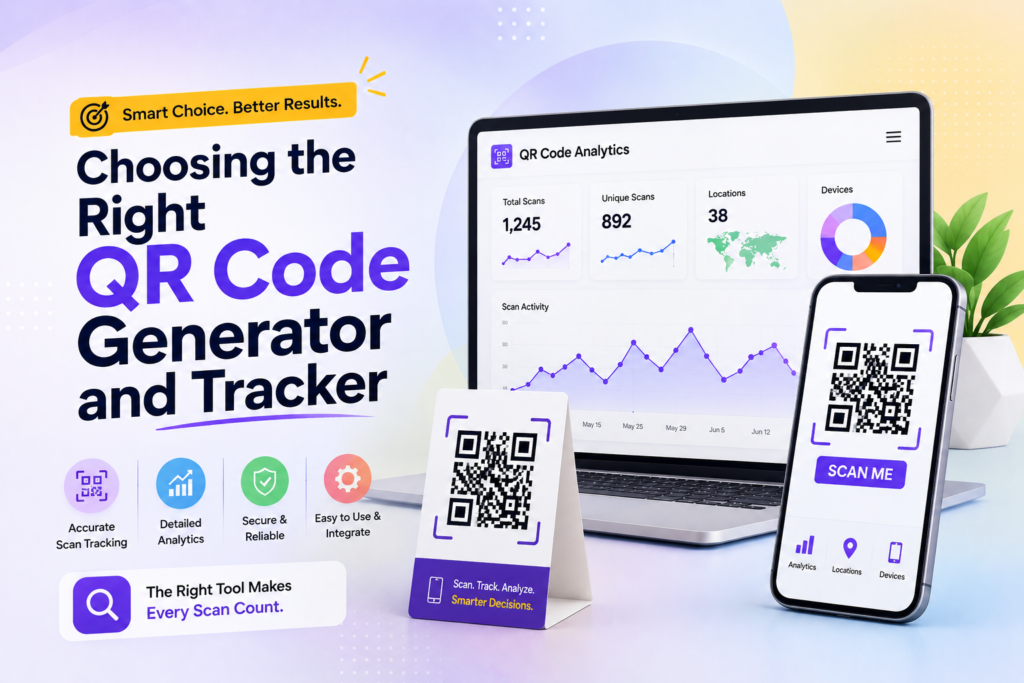
Selecting the right tools is the foundation of a successful digital marketing campaign. When you decide to implement mobile engagement strategies, your choice of a qr code generator and tracker will dictate the quality of data you receive. A robust platform acts as the bridge between your physical marketing materials and your digital analytics dashboard.
Key Features to Look for in Tracking Software
To maximize your return on investment with qr code tracking, you must prioritize software that offers real-time analytics. This feature allows you to monitor scan activity as it happens, providing immediate feedback on your campaign performance. Look for platforms that provide granular data, such as the specific device type, operating system, and geographic location of your users.
Another critical component is the ability to use custom URL structures. By utilizing your own domain, you maintain brand consistency and improve user trust. Furthermore, ensure your chosen qr code tracker supports seamless integration with existing marketing stacks, such as CRM systems or email automation tools.
“Data is the compass that guides your marketing ship; without it, you are simply sailing in the dark.”
Evaluating Free Versus Paid Tracking Tiers
Many businesses start with free tiers to test the waters, but these often come with significant limitations. While free versions are excellent for basic needs, they frequently lack the advanced reporting and unlimited scan capacity required for professional campaigns. Paid tiers typically unlock deeper insights and higher reliability for your business.
| Feature | Free Tier | Paid Tier |
|---|---|---|
| Scan Limits | Limited | Unlimited |
| Analytics Depth | Basic | Advanced |
| Custom Branding | No | Yes |
| Support | Community | Priority |
When evaluating your budget, consider the long-term value of the data you collect. A premium qr code tracker often pays for itself by helping you identify which channels drive the most conversions. Carefully weigh the cost against the potential for improved campaign optimization and audience targeting.
How to Track QR Code Scans Using Dynamic Codes
Dynamic QR codes are essential tools for any marketer looking to bridge the gap between physical advertisements and digital analytics. Unlike static versions, these codes allow you to update the destination URL without changing the printed graphic. By utilizing QR code tracking, you gain the ability to monitor engagement in real-time and adjust your strategy based on actual user behavior.
Setting Up Your First Trackable QR Code
Creating your first trackable code is a straightforward process that begins with selecting a reliable management platform. Once you have chosen your provider, you will input the destination URL where you want your audience to land. The system then generates a unique short link that acts as a bridge for your QR code tracking data.
Follow these steps to ensure your setup is successful:
- Select a dynamic code type within your dashboard.
- Enter the target landing page URL.
- Customize the design to match your brand identity.
- Download the high-resolution file for your print materials.
“Data is the compass that guides your marketing ship through the turbulent waters of consumer attention.”
Managing Multiple Campaigns Simultaneously
As your marketing efforts grow, you will likely need to run several promotions at once. A centralized dashboard is vital for maintaining order and ensuring that your QR code tracking remains accurate across different channels. You can categorize your codes by project, location, or media type to keep your data clean and actionable.
Effective campaign management with qr code tracking allows you to scale your campaigns without losing sight of individual performance metrics. By organizing your codes into folders or specific campaign tags, you can quickly compare which advertisements are driving the most traffic. This level of oversight is crucial for optimizing your return on investment and refining your future outreach efforts.
Integrating QR Code Tracking with Google Analytics
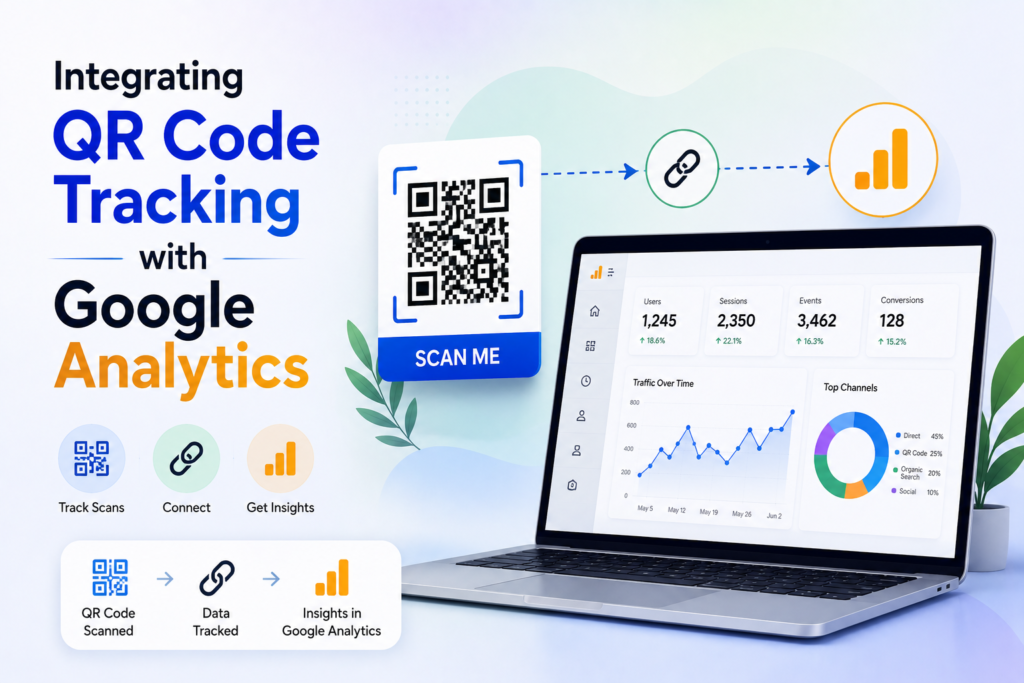
Connecting your offline marketing efforts to your digital analytics platform is a game-changer for data-driven businesses. By synchronizing your scan data with Google Analytics, you gain a comprehensive view of how physical interactions influence your digital conversion funnel.
Using UTM Parameters for Precise Attribution
To effectively understand how to track a qr code in google analytics, you must utilize UTM parameters. These simple tags appended to your destination URL allow you to identify the exact source, medium, and campaign name associated with every scan.
“Data is the bridge between intuition and evidence, turning every scan into a measurable business outcome.”
By creating unique UTM strings for each printed material, you can distinguish between a scan from a billboard versus a direct mail piece. This level of granularity ensures that your attribution modeling remains accurate and actionable.
Configuring Google Analytics Dashboards for QR Traffic
Once your UTM parameters are in place, you need to organize this incoming data. Learning how to track qr code in google analytics involves setting up custom dashboards that filter specifically for your campaign parameters.
You should create a dedicated report that isolates traffic coming from your QR codes as part of your qr code tracking analysis. This setup allows you to monitor performance metrics like session duration and page depth without the noise of organic search or social media traffic.
Monitoring User Journeys Post-Scan
The true value of this integration lies in observing what happens after the initial click. You can analyze whether users who arrive via a QR code exhibit different behaviors compared to other visitors.
Tracking the full user journey helps you identify if your landing pages are optimized for mobile scanners. If you notice high bounce rates, you can quickly iterate on your content to better align with the intent of your audience. Consistent monitoring ensures that your physical marketing assets continue to drive meaningful digital engagement.
Advanced Techniques for QR Code Tracking
Sophisticated marketers use advanced tracking to turn simple QR scans into long-term customer relationships. By moving beyond basic metrics, you gain a deeper understanding of how your audience interacts with your brand across different touchpoints. These methods allow you to optimize your budget and improve the overall effectiveness of your digital campaigns.
Turn QR Scans Into Real Marketing Results
Connect your QR campaigns with analytics, retargeting, and conversion tracking. Understand what happens after every scan and use real data to improve customer journeys.
Implementing Retargeting Pixels via QR Codes
One of the most powerful ways to maximize your investment is by embedding retargeting pixels into your QR code redirects. When a user scans your code, the pixel fires, allowing you to track their behavior on your website. This enables you to re-engage visitors who scanned your code but did not complete a purchase or sign-up.
You can create custom audiences on platforms like Meta or Google Ads based on these specific scans. By serving targeted advertisements to these individuals later, you keep your brand top-of-mind. This strategy effectively turns a single offline interaction into a persistent digital connection.
A/B Testing Different Landing Pages
Not every landing page will resonate with your audience in the same way. A/B testing allows you to compare two versions of a page to see which one drives more conversions. By routing a portion of your QR traffic to different variations, you can collect data-driven insights on user preferences.
You should test elements such as headlines, call-to-action buttons, and imagery to determine what works best. This iterative process ensures that your marketing efforts are always improving based on real-world performance. The following table outlines how these advanced techniques compare in terms of their primary marketing goals.
| Technique | Primary Goal | Best For |
|---|---|---|
| Retargeting Pixels | Audience Recovery | High-intent visitors |
| A/B Testing | Conversion Optimization | Refining messaging |
| Custom UTMs | Precise Attribution | Multi-channel tracking |
Analyzing User Behavior After the Scan
What happens after a user scans your code provides the most valuable insights for your marketing strategy. While the scan itself confirms interest, the subsequent actions reveal whether your digital destination meets user expectations. By monitoring these interactions, you can identify exactly where potential customers might lose interest or decide to take action.
Measuring Bounce Rates and Conversion Rates
A high bounce rate often signals that your landing page is not delivering what the user anticipated. If visitors leave immediately, you should evaluate the relevance of your content and the clarity of your call to action. Reducing friction is the most effective way to keep users engaged once they arrive.
Conversion rates provide the ultimate measure of your campaign’s success when combined with effective qr code tracking. Whether you want users to sign up for a newsletter or purchase a product, tracking these completions helps you refine your approach. You must ensure that the path from the scan to the final conversion is as seamless as possible.
“Data is the bridge between what you think your customers want and what they actually do.”
Understanding Device and Browser Preferences
Your audience will access your content through a variety of smartphones and mobile browsers. Some devices may render your landing page differently, which can impact the overall user experience. Optimizing for mobile performance ensures that your site loads quickly and displays correctly on every screen size.
By analyzing which browsers and devices are most common among your scanners, you can prioritize technical improvements. If you notice a high drop-off rate on a specific browser, it may indicate a compatibility issue that needs immediate attention. Consistent testing across different platforms is a vital step in maintaining a professional and functional digital presence.
Common Mistakes to Avoid When Implementing QR Code Tracking
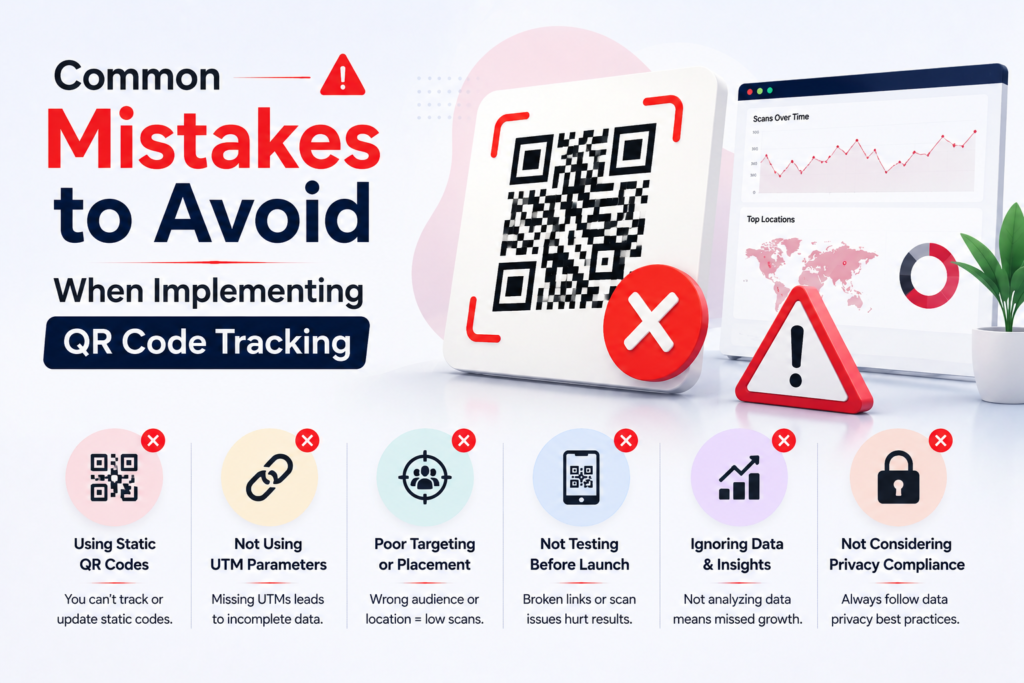
Avoiding common pitfalls is essential when you want to master how to track QR code scans effectively. Even a minor oversight during the setup phase can lead to broken data or a poor user experience. By identifying these errors early, you ensure your campaign remains professional and data-driven.
Failing to Test Codes Before Printing
One of the most frequent mistakes is mass-producing materials without verifying that the code actually works. You must test your QR code across multiple devices and lighting conditions before committing to a large print run. Always verify the destination URL to ensure it redirects correctly to your intended landing page.
If a code is too small or lacks sufficient contrast against the background, users will struggle to scan it. A failed scan is a lost opportunity to gather valuable insights. Testing is a non-negotiable step that protects your investment and ensures you can accurately monitor your engagement metrics.
Overlooking the Importance of Landing Page Speed
Many marketers focus heavily on the code itself but ignore the performance of the destination page. If your landing page takes too long to load, users will likely abandon the session before they even see your content. This high bounce rate negatively impacts your ability to understand how to track QR code scans in a meaningful way.
A slow page creates a frustrating experience that discourages future interactions with your brand. You should optimize your images, minimize scripts, and use mobile-friendly designs to ensure rapid loading times. Speed is a critical factor in maintaining user retention and ensuring that your tracking software captures every successful visit.
Optimizing Your Marketing Strategy Based on Scan Data
Transforming raw scan data into actionable marketing insights is the hallmark of a successful digital campaign. By leveraging qr codes and tracking, you gain a clear window into how your audience interacts with your physical marketing materials. This visibility allows you to move beyond guesswork and make informed decisions that drive growth.
Iterating Based on Real-Time Performance
Real-time data provides the agility needed to pivot your strategy when a campaign underperforms. If you notice that scan volume is low in specific geographic regions, you can quickly reallocate your budget to higher-performing areas. This constant feedback loop ensures that your resources are always directed toward the most effective channels.
You should monitor your dashboard daily to identify trends as they emerge. If a particular time of day shows a spike in engagement, consider scheduling your social media posts or email blasts to align with those peak hours. This proactive approach to qr code tracking maximizes your overall reach and impact.
Refining Your Call to Action Based on Analytics
Your call to action (CTA) is the bridge between interest and conversion. If your analytics show that many users scan your code but fail to complete a purchase, your CTA might be the culprit. You can test different phrases, colors, or placements to see which version resonates best with your target audience.
Data-driven refinement allows you to optimize the user journey for better results. By analyzing which CTAs lead to the highest conversion rates, you can standardize your most successful messaging across all future campaigns. This iterative process is essential for maintaining a competitive edge in your market.
| Metric Observed | Potential Issue | Strategic Adjustment |
|---|---|---|
| High Bounce Rate | Landing page mismatch | Update content relevance |
| Low Scan Volume | Poor code placement | Move to high-traffic area |
| Low Conversion Rate | Weak call to action | A/B test new CTA copy |
| Peak Time Inactivity | Timing misalignment | Adjust campaign schedule |
Privacy Considerations and Best Practices
Protecting user privacy is a fundamental responsibility when you implement QR code tracking in your marketing campaigns. As you gather valuable insights from scan data, you must prioritize the security and privacy of your audience to maintain a positive brand reputation.
Adopting a privacy-first mindset ensures that your marketing efforts remain sustainable and ethical. By treating user information with care, you protect your business from potential legal risks while fostering a culture of accountability.

Ensuring Compliance with Data Protection Regulations
Modern marketing requires strict adherence to global standards such as the General Data Protection Regulation (GDPR) and the California Consumer Privacy Act (CCPA). You must ensure that your tracking methods do not collect personally identifiable information without explicit user consent.
Always provide a clear privacy policy on your landing pages that explains what data you collect and how you use it. If you utilize cookies or tracking pixels, you should implement a consent banner that allows users to opt-in or opt-out of data collection seamlessly.
Regularly auditing your tracking software is a critical step in maintaining compliance. By reviewing your data handling processes, you can identify and mitigate potential vulnerabilities before they become significant issues for your organization.
Building Trust with Your Audience
Transparency is the most effective way to build long-term loyalty with your customers. When you are open about your data practices, you demonstrate that you value your audience’s privacy as much as your own business goals.
Avoid collecting excessive data that does not serve a clear purpose for your campaign. By limiting your data collection to only what is necessary, you reduce the risk of privacy breaches and show respect for your users’ digital boundaries.
Transparency is not just a legal requirement; it is a competitive advantage that turns casual scanners into loyal brand advocates.
Ultimately, your goal should be to create a seamless and secure experience for every user who interacts with your QR codes. When users feel safe, they are far more likely to engage with your content and return to your brand in the future.
Measure Every Scan and Improve Your Campaigns
Stop guessing which offline campaigns work. Track scans, locations, devices, and conversions with powerful analytics that help you optimize marketing performance and increase ROI.
Conclusion
Data-driven marketing transforms how you connect with your audience. By leveraging free qr code tracking, you gain a clear view of how customers interact with your physical assets. This visibility turns simple print materials into powerful digital touchpoints.
You now possess the knowledge to select robust tools and integrate them with platforms like Google Analytics. Consistent monitoring allows you to refine your strategy based on real-time performance. Every scan provides a valuable data point that helps you improve your return on investment.
Start implementing these strategies today to see immediate improvements in your campaign reach. Utilizing free qr code tracking ensures your business stays competitive in a fast-paced digital landscape. Your ability to adapt based on these insights will define your long-term success.
Take the next step by auditing your current print materials. Share your experiences with these tracking methods to help others improve their engagement metrics. Your journey toward smarter marketing begins with a single scan.
FAQs
What are the primary benefits of qr codes and tracking for my marketing strategy?
Utilizing qr codes and tracking allows you to transform static print materials, such as flyers or billboards, into measurable digital touchpoints. By using a qr code tracker, you can bridge the gap between your offline advertisements and your online conversion funnels, gaining real-time insights into how your audience interacts with your brand.
How to track qr code scans to differentiate between unique and repeat visitors?
When you use a professional qr code generator and tracker, the software provides analytics that distinguish between total scans and unique users. This data is crucial for understanding your true audience reach. By identifying these engagement patterns, you can make data-driven decisions to optimize your return on investment and refine your future campaign scheduling.
What is the technical difference between static and dynamic codes in qr code tracking?
Static codes embed information directly into the pattern and are permanent, meaning they cannot be tracked or edited. In contrast, qr code tracking relies on dynamic codes, which use a redirect URL. This redirect allows the system to capture user data before sending the visitor to their destination, enabling you to update the link even after the code has been printed.
How to track a qr code in google analytics for better attribution?
To master how to track qr code in google analytics, you must append UTM parameters to your destination URL. This allows Google Analytics to categorize the scan as a specific traffic source. By configuring your dashboard to monitor these parameters, you can track the entire user journey from the initial scan to the final conversion on your website.
Is it possible to find reliable free qr code tracking for a small business?
Yes, many platforms offer free qr code tracking for basic metrics like total scan counts. However, as your campaigns scale, you may need to evaluate a qr code generator and tracker that offers paid tiers for advanced features, such as custom URL structures, real-time geographic data, and integration with tools like Salesforce or HubSpot.
Can I use qr code tracking to retarget customers who didn’t buy?
Advanced qr code tracking allows you to implement retargeting pixels, such as the Meta Pixel, within the redirect process. This means that once a user scans your code, you can serve them tailored advertisements on Facebook or Instagram, re-engaging them even if they didn’t complete a purchase during their initial visit.
Why is landing page speed critical when learning how to track qr code scans?
A common mistake is overlooking the performance of the destination site. If your landing page loads slowly on mobile browsers like Safari or Google Chrome, you will see high bounce rates in your qr code tracker. Ensuring a fast, mobile-optimized experience is essential for retaining the traffic generated by your scans.
How do I ensure my qr code tracking remains compliant with privacy regulations?
When collecting data through qr code tracking, you must ensure compliance with regulations such as GDPR and CCPA. It is important to use reputable tracking software that prioritizes data protection and transparency. Building trust with your audience regarding their data is key to maintaining long-term brand loyalty and engagement.
How can I optimize my call to action based on scan analytics?
By iterating on real-time performance data, you can refine your marketing message. If your qr code tracker shows low engagement in a specific geographic location, you can A/B test different landing pages or adjust your physical call to action to better resonate with that specific audience, significantly increasing the effectiveness of your deployment.