
Did you know that nearly 15% of all paid search traffic is estimated to be invalid? This staggering reality means that a significant portion of your marketing budget might be vanishing into thin air every single day. Protecting your digital assets is no longer optional; it is a fundamental requirement for any business aiming to thrive in a competitive landscape and stop click fraud before it impacts performance.
When malicious actors target your campaigns, your return on investment suffers immediately. You need a proactive defense strategy to ensure your ads reach genuine potential customers rather than bots or competitors. Implementing effective measures to stop click fraud will help you reclaim your wasted spend and improve overall campaign performance.
In this guide, we will walk you through 15 actionable strategies designed to secure your account. By following these steps, you can effectively stop click fraud and maintain a clean, high-performing advertising environment. Let’s dive into the essential tactics that will safeguard your future growth.
Key Takeaways
- Invalid traffic accounts for a significant percentage of wasted advertising budgets.
- Proactive monitoring is essential to maintain a healthy return on investment.
- Bots and malicious competitors can severely degrade your campaign data quality.
- Implementing technical safeguards protects your brand from unnecessary financial loss.
- A clean advertising account leads to better machine learning and optimization results.
Stop Losing Money to Fake Clicks
Every invalid click drains your advertising budget and reduces campaign performance. Discover how real-time click fraud protection can help you block suspicious traffic before it wastes your ad spend.
What is the Impact of Invalid Traffic on Your Budget
Protecting your bottom line starts with recognizing the hidden financial damage caused by invalid traffic. This type of activity acts like a silent drain on your marketing budget, siphoning funds away from real potential customers, making it necessary to stop click fraud quickly. When you fail to address these issues, you essentially pay for clicks that provide zero value to your business.
Automated bots and malicious actors frequently manipulate your performance metrics to create a false sense of engagement. These entities generate fake clicks that inflate your traffic numbers while simultaneously depleting your daily ad spend. Because of this, your marketing data becomes skewed, making it difficult to determine which campaigns are actually driving revenue.
Learning how to stop click fraud is the most effective way to ensure your advertising dollars reach a genuine audience. If you ignore these patterns, the long-term effects on your campaign health can be devastating. Over time, your profitability will decline as your budget is consumed by non-human interactions rather than qualified leads.
Taking early action is essential for maintaining a competitive edge in the digital marketplace. By identifying these threats early, you can protect your resources and focus on strategies that yield real growth. Mastering how to stop click fraud will ultimately safeguard your investment and improve your overall return on ad spend.
How to Stop Click Fraud Using Google Ads Settings
Managing your Google Ads settings is a proactive way to stop click fraud before it drains your resources. By leveraging the native tools provided within the interface, you can create a robust defense layer that filters out unwanted traffic. These adjustments ensure that your budget is spent exclusively on high-quality interactions while helping stop click fraud from your target audience.
Refining Your Location Targeting
One of the most effective ways to limit exposure to fraudulent activity is by tightening your geographic reach. If your business only operates in specific states or cities, ensure your campaign settings reflect this reality. By excluding regions where you do not provide services, you can better stop click fraud from suspicious locations.
You should also review your location options to ensure you are targeting “Presence” rather than “Interest.” This simple change prevents your ads from appearing to users who are merely searching about a location but are not physically present there. This strategy is a vital component to stop click fraud originating from international bot farms.
Excluding Specific IP Addresses
When you identify recurring patterns of suspicious activity, you can take direct action by blocking specific IP addresses. Google Ads allows you to exclude up to 500 IP addresses per campaign to stop click fraud from known bad actors which is a powerful way to neutralize known bad actors. You can find these addresses by analyzing your server logs or using third-party tracking tools.
Once you have a list of malicious IPs, navigate to the “Settings” tab of your campaign and select “IP Exclusions.” Adding these addresses to your blocklist ensures that those specific devices can no longer trigger your ads. This manual intervention is highly effective to stop click fraud from persistent competitors or automated scripts.
Utilizing Negative Keywords Effectively
Negative keywords are essential for maintaining the health of your account and helping stop click fraud. Often, bot traffic targets broad or low-intent search terms that do not lead to conversions. By identifying these terms, you can refine your reach and ensure your ads only show for high-value searches.
Regularly auditing your search term reports will help you spot patterns of low-quality traffic. Adding these terms as negative keywords helps you stop click fraud by narrowing your audience to genuine users. Use the following table to understand how these settings contribute to your overall security strategy.
| Setting Type | Primary Benefit | Implementation Difficulty |
|---|---|---|
| Location Targeting | Reduces geographic bot reach | Low |
| IP Exclusions | Blocks specific malicious actors | Medium |
| Negative Keywords | Filters low-quality search queries | Low |
| Audience Refinement | Focuses on high-intent users | Medium |
Utilizing Click Fraud Detection Software for Advanced Protection
To truly secure your advertising investment, you must look beyond native platform tools and embrace dedicated security software. While basic settings provide a foundation, advanced threats often require specialized technology to maintain your campaign integrity. Sophisticated bot networks can easily bypass standard filters, making it essential to deploy robust click fraud prevention measures.
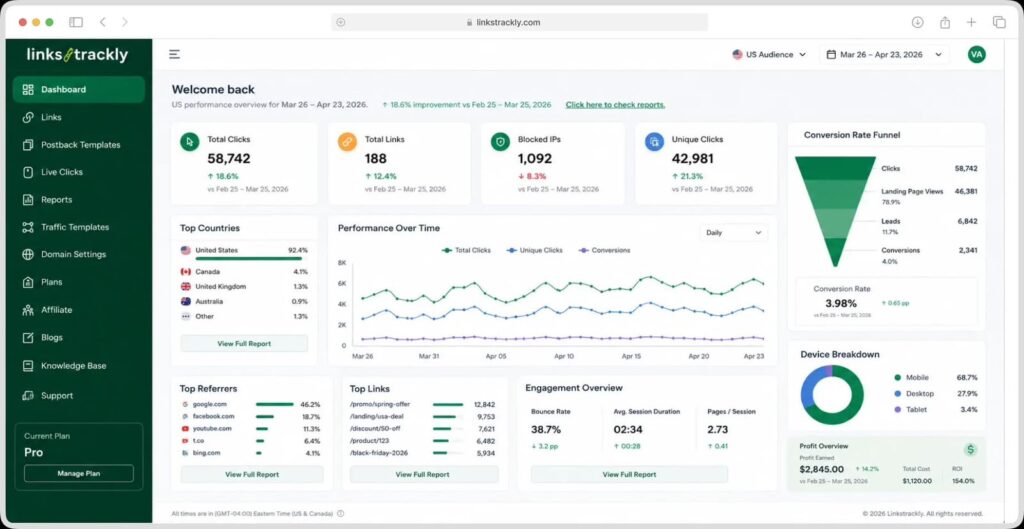
Investing in high-quality click fraud protection software. allows you to identify malicious patterns that human analysts might miss. These tools act as a shield to stop click fraud, ensuring that your budget is spent on genuine prospects rather than automated scripts.
“The cost of inaction in digital advertising is far higher than the investment in proactive security measures.”
Key Features to Look for in Prevention Tools
When evaluating potential solutions, prioritize platforms that offer real-time monitoring which helps businesses stop click fraud before budgets are depleted. This feature ensures that suspicious activity is flagged the moment it occurs, rather than after your budget has been depleted. You should also look for automated blocking capabilities that instantly restrict access for known malicious IP addresses.
The following table highlights the essential capabilities you should demand from your chosen click fraud prevention software.:
| Feature | Primary Benefit | Impact Level |
|---|---|---|
| Real-time Analysis | Immediate threat detection | High |
| Automated IP Blocking | Reduces manual workload | High |
| Bot Pattern Recognition | Stops sophisticated scripts | Medium |
Integrating Third-Party Solutions with Google Ads
Integrating click fraud detection software. into your existing workflow is a straightforward process designed to create a seamless defense layer. Most reputable providers offer direct API connections that sync with your Google Ads account. This integration allows the software to automatically update your account’s exclusion lists without requiring constant manual intervention to stop click fraud automatically.
By establishing this connection, you ensure comprehensive click fraud prevention across all your active campaigns. This automated synchronization keeps your defense strategy current, even as new threats emerge in the digital landscape. Ultimately, utilizing professional click fraud prevention software. is the most effective way to protect your bottom line and maximize your return on ad spend.
Optimizing Campaign Settings to Minimize Exposure
You can significantly reduce your exposure to invalid traffic by strategically adjusting your Google Ads configurations. By taking control of when and where your ads appear, you create a proactive defense against malicious actors. These adjustments serve as a vital layer of your broader click fraud prevention strategy.
Monitor Every Click. Block Every Threat.
Get real-time alerts, IP blocking, traffic analysis, and detailed reporting to keep your campaigns profitable.
Adjusting Ad Scheduling for High-Risk Periods
Analyzing your performance data is essential to identify specific times when bot activity spikes and stop click fraud proactively. Many automated scripts operate during off-peak hours or specific windows when human engagement is naturally lower, especially from bot clicks on Google Ads. By reviewing your hourly reports, you can pinpoint these high-risk periods and exclude them from your schedule.
This simple adjustment ensures your budget is spent only when genuine customers are likely to interact with your brand. When you combine this data-driven approach with reliable click fraud prevention software, you maximize the efficiency of your entire advertising spend.
Limiting Ad Reach on the Google Display Network
The Google Display Network often presents a higher risk for invalid traffic compared to the Search Network. Because ads appear across a vast array of third-party websites, monitoring the quality of every placement can be difficult. You should consider limiting your reach to high-performing placements or opting out of the Display Network entirely if your primary goal is high-intent search traffic.
By narrowing your focus, you minimize the surface area available for bots and stop click fraud more effectively. This strategic refinement allows your click fraud prevention software to focus on protecting your most valuable traffic sources.
| Traffic Source | Risk Level | Control Level |
|---|---|---|
| Google Search | Low to Moderate | High |
| Display Network | High | Moderate |
| Partner Sites | Moderate | Low |
Implementing these optimizations is a fundamental step in your click fraud prevention journey. Consistent monitoring and adjustment will keep your campaigns secure and profitable over the long term.
Monitoring and Analyzing Traffic Patterns
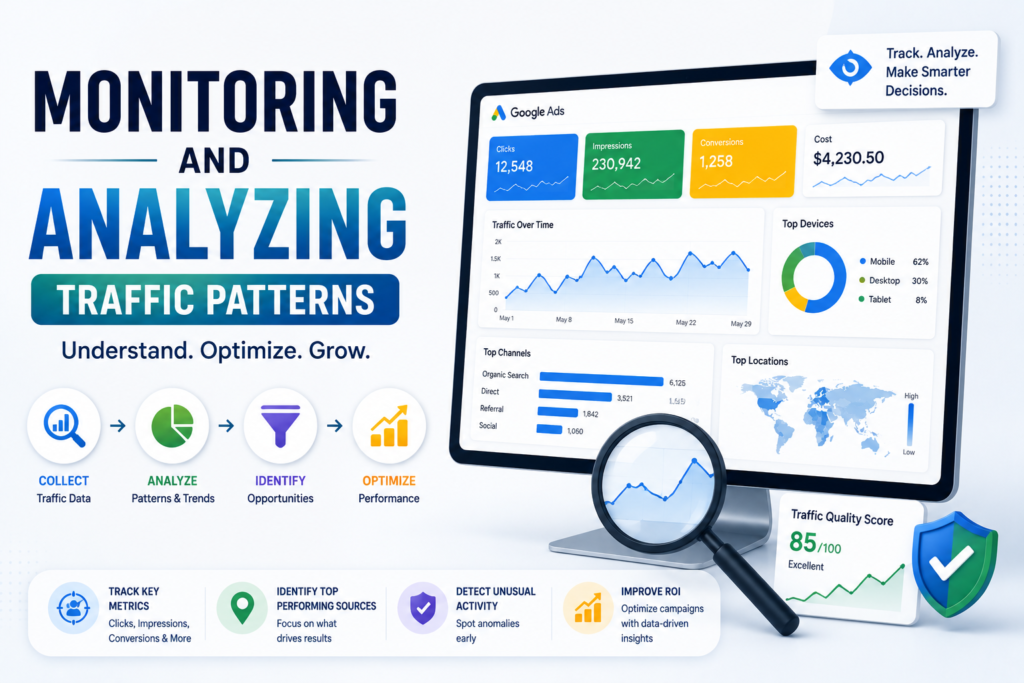
You can uncover hidden threats to your marketing ROI and stop click fraud before it escalates by performing a deep-dive analysis of your traffic patterns. While standard dashboards provide a high-level overview, they often mask the subtle signs of malicious activity. By combining manual review with click fraud detection software, you gain a much clearer picture of your actual traffic quality.
Identifying Anomalous Click-Through Rates
One of the most effective ways to spot bot interference is by monitoring your click-through rates (CTR) for sudden, unexplained spikes. If your CTR deviates significantly from your historical benchmarks, it often signals that automated scripts are interacting with your ads. Consistency is key when establishing these baselines for your specific industry.
When you notice these anomalies, investigate the source immediately to stop click fraud early. If a specific campaign or keyword shows a CTR that seems statistically impossible, it is time to dig deeper. Using your click fraud detection software. helps you flag these irregularities before they consume your entire daily budget.
Tracking Conversion Discrepancies
Another red flag occurs when you see a high volume of clicks but zero corresponding sales or lead form submissions, making marketing attribution tools essential. This gap, known as a conversion discrepancy, is a classic indicator that your ads are being targeted by non-human traffic. Genuine users will typically engage with your landing page content if they click your ad.
If your traffic increases while your conversion rate plummets, you must act quickly to protect your account. Relying on click fraud detection software. allows you to correlate these discrepancies with specific IP addresses or geographic regions. By identifying these patterns early, you ensure that your advertising spend remains focused on real potential customers.
Implementing Technical Safeguards on Your Landing Pages
When you want to know how to stop click fraud, you must look at your own website’s front door. While ad platforms provide initial filters, sophisticated bots often slip through the cracks to reach your landing pages. By securing these specific entry points, you create a robust barrier that prevents malicious scripts from wasting your budget.
Using CAPTCHA to Filter Automated Bots
Implementing a CAPTCHA challenge is one of the most effective ways to stop click fraud and verify that your visitors are real people. These tools force users to complete a simple task, such as identifying images or solving a puzzle, which automated bots typically cannot perform. By placing these challenges on your contact forms or sign-up pages, you ensure that only genuine leads reach your database.
This simple step significantly reduces the volume of junk data generated by automated software. It acts as a gatekeeper, allowing you to focus your resources on high-quality prospects rather than cleaning up fake submissions. When you prioritize these technical hurdles, you gain better control over your conversion metrics.
Analyzing User Behavior with Heatmaps
Beyond blocking bots, businesses should stop click fraud by observing how visitors interact with your site to identify suspicious patterns. Heatmaps provide a visual representation of clicks, scrolls, and mouse movements, allowing you to see exactly how users navigate your content. Genuine human behavior is usually erratic and purposeful, whereas malicious scripts often follow repetitive or unnatural paths.
If you notice a high concentration of clicks in a single, non-interactive area, it may indicate a bot attempting to trigger a conversion event. Analyzing these visual reports helps you understand how to stop click fraud by identifying the specific pages where automated activity is most prevalent. Using these insights, you can refine your landing page design to discourage bot interaction while improving the experience for your actual customers.
Managing Competitor Activity and Click Patterns
Protecting your digital assets requires a keen eye for suspicious competitor behavior. In a competitive market, some rivals may attempt to exhaust your budget by clicking on your ads repeatedly. Learning how to stop click fraud is essential to maintaining a healthy return on investment.
Recognizing Patterns of Malicious Competitor Clicks
Malicious activity often leaves a digital footprint that you can track. Look for unusual spikes in traffic coming from a single geographic location or a specific device ID. These patterns often indicate that someone is manually or programmatically clicking your ads to drain your funds.
You should also monitor your campaign data for sudden, unexplained increases in your click-through rate. If you notice that your ads receive clicks at odd hours or from areas where you do not conduct business, it is time to investigate further. Identifying these trends is a primary step in understanding how to stop click fraud effectively.
Reporting Suspicious Activity to Google Support
Once you have gathered evidence of potential fraud, you must take action to protect your account. Google provides a dedicated form for reporting invalid traffic, which allows their team to review your logs. Documentation is key when you submit these reports to ensure your case is taken seriously.
Follow these steps to report the activity:
- Collect specific data points, such as IP addresses, timestamps, and suspicious click patterns.
- Navigate to the Google Ads Invalid Click Contact Form.
- Provide a detailed description of the anomalies you have observed.
- Submit the request and keep a record of your case ID for future follow-ups.
By proactively reporting these issues, you help Google refine its detection algorithms. This collaborative approach is one of the most reliable ways to learn how to stop click fraud and keep your advertising environment fair for everyone.
Strategic Bidding and Audience Refinement
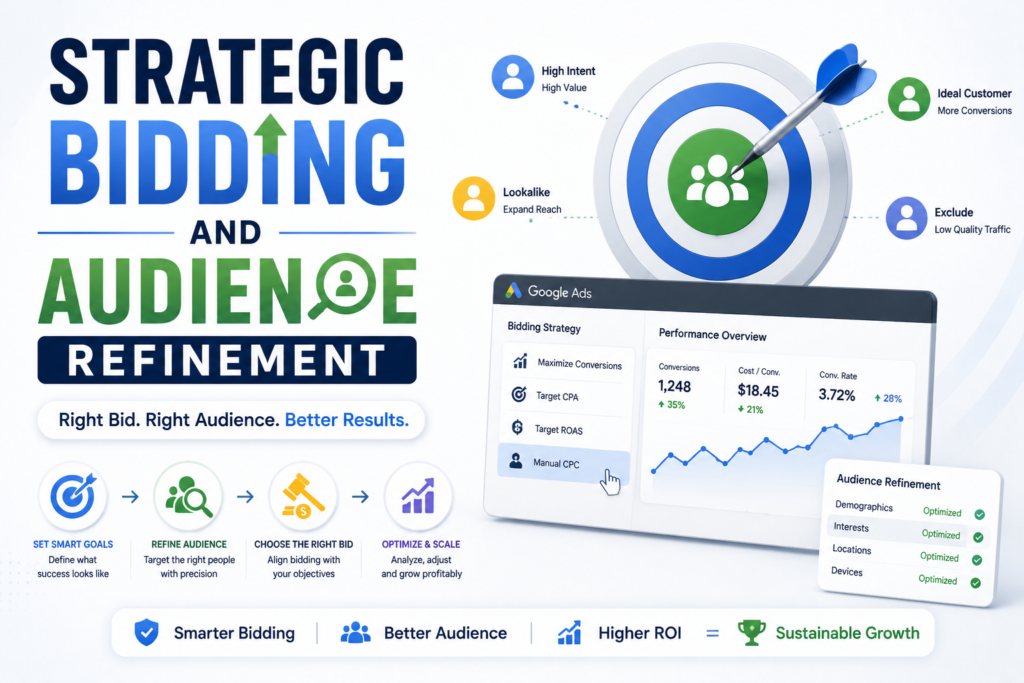
Your bidding strategy serves as a powerful defense mechanism against invalid traffic. By shifting your focus toward high-quality interactions, you can effectively minimize the financial impact of malicious activity on your campaigns. Integrating these manual adjustments with your click fraud prevention tools creates a multi-layered shield for your advertising budget.
Focusing on High-Intent Audience Segments
Targeting specific, high-intent audiences is one of the most effective ways to avoid bot-driven click farms. When you prioritize users who have demonstrated clear interest in your products, you naturally filter out the broad, low-quality traffic often associated with automated scripts. Refining your audience parameters ensures that your ads appear before individuals who are genuinely ready to convert.
You should leverage first-party data and remarketing lists to reach users who have already engaged with your brand. These segments are statistically less likely to be generated by malicious software. Combining this approach with reliable click fraud prevention software. allows you to maintain a high-performing account that prioritizes real human engagement.
Reducing Bids on Low-Quality Placements
Not all ad placements provide the same value, and some may act as magnets for invalid clicks. If you notice specific placements generating high click volume but zero conversions, it is time to take decisive action. Reducing your bids or excluding these placements entirely can save significant portions of your daily budget.
Regularly auditing your placement reports helps you identify patterns of suspicious activity that standard filters might miss. By lowering your bids on these underperforming areas, you force your budget toward more profitable channels. This proactive management, when paired with advanced click fraud prevention software., ensures that your click fraud prevention efforts remain both sustainable and highly effective over the long term.
Maintaining Account Hygiene and Security
A clean and secure account environment serves as the foundation for all your advertising efforts. By keeping your settings organized, you protect your budget from unnecessary waste and unauthorized changes. When you combine these manual efforts with click fraud detection software, you create a robust defense against malicious activity.
Auditing Account Access and Permissions
You should perform regular audits of who has access to your Google Ads account. Granting administrative rights to too many users increases the risk of accidental errors or security breaches. Always ensure that only authorized personnel can modify your campaign settings or billing information.
Review your user list every quarter to remove former employees or external contractors who no longer need access. This simple step significantly reduces your internal security risks. By maintaining strict control over permissions, you ensure that your account remains a secure space for your business growth.
Regularly Reviewing Search Term Reports
Monitoring your search term reports is vital for identifying irrelevant queries that drain your budget. These reports show you exactly what users typed into Google before clicking your ads. If you notice patterns of low-quality traffic, you can quickly add those terms as negative keywords.
Consistent review of these reports helps you refine your targeting and improve your overall return on investment. When you pair these insights with the data provided by your click fraud detection software, you gain a clearer picture of your traffic quality. Use the following table to track your security and maintenance tasks.
| Task Category | Frequency | Primary Goal |
|---|---|---|
| User Access Audit | Quarterly | Limit unauthorized changes |
| Search Term Review | Weekly | Filter irrelevant traffic |
| Security Software Sync | Monthly | Analyze bot patterns |
Stop Wasting Up To 15% of Your Ad Budget
Thousands of businesses lose money to invalid traffic every day. Don’t let fake clicks impact your growth.
Conclusion
Protecting your marketing investment requires a shift from reactive measures to a proactive mindset. You now possess a comprehensive roadmap to stop click fraud and defend your Google Ads campaigns against malicious activity.
Consistent application of these technical and strategic methods ensures your budget reaches genuine prospects. Your ability to stop click fraud relies on your commitment to monitoring traffic patterns and refining your audience segments.
Digital advertising environments change rapidly, making it increasingly important to stop click fraud consistently as new threats emerge. You must remain vigilant to keep your campaigns safe and profitable over the long term. Regular audits of your account settings and search term reports will provide the stability your business needs to grow.
Take control of your ad spend today by implementing these safeguards. Your dedication to maintaining high-quality traffic will yield better conversion rates and a stronger return on investment. Start applying these practices now to secure your brand presence across the Google network.
FAQs
What is the financial impact of invalid traffic on my advertising budget?
Invalid traffic acts as a direct drain on your resources by depleting your daily ad spend on non-human interactions. When automated bots or malicious actors click your ads, your return on investment (ROI) plummets because you are paying for traffic that has zero chance of converting. Beyond the immediate loss, it skews your performance data, making it difficult to determine which campaigns are actually successful.
How to stop click fraud using standard Google Ads settings?
You can significantly reduce exposure by refining your location targeting to exclude regions where you do not conduct business. Additionally, you should actively perform IP address exclusions for known suspicious sources and utilize negative keywords to ensure your ads aren’t triggered by low-quality or irrelevant search queries that attract bot networks.
Why should I consider using specialized click fraud detection software?
While Google provides basic protections, dedicated click fraud detection software offers advanced, real-time monitoring that identifies sophisticated bot patterns standard settings might miss. These tools provide automated blocking capabilities, instantly preventing identified fraudulent sources from seeing or clicking your ads, thereby saving your budget for genuine prospects.
Can I integrate third-party click fraud prevention software with my existing Google Ads account?
Yes, most professional click fraud prevention software is designed to integrate seamlessly with the Google Ads API. This integration allows the software to automatically update your exclusion lists in real-time, providing a robust, hands-off defense layer that works alongside your manual optimizations.
What are the signs that my campaign is being targeted by malicious clicks?
You should look for anomalous click-through rates (CTR) that are significantly higher than your historical averages without a corresponding increase in conversions. Conversion discrepancies—where you see a surge in clicks but no growth in sales or leads—are a major red flag that your traffic is likely non-human or malicious.
How can I protect my landing pages from automated bot activity?
Implementing technical safeguards like CAPTCHA is a highly effective way to ensure only human visitors can submit forms. Furthermore, using behavior analysis tools like Hotjar or Microsoft Clarity to view heatmaps can help you identify erratic, non-human movement patterns, allowing you to further refine your click fraud prevention strategy.
What should I do if I suspect a competitor is clicking on my ads?
If you recognize patterns of malicious competitor clicks, such as repeated activity from a specific geographic area or device ID, you should document the evidence and report the suspicious activity to Google Support. Google can investigate these patterns and, if fraud is confirmed, may issue a credit to your account for the invalid clicks.
Is the Google Display Network more susceptible to click fraud than the Search Network?
Generally, yes. The Google Display Network often sees higher levels of invalid traffic due to the sheer volume of third-party placements. To mitigate this, you should limit your ad reach to high-performing placements and use click fraud prevention software to automatically exclude sites that show signs of bot-driven traffic.
How does audience refinement help in click fraud prevention?
By focusing your bidding on high-intent audience segments, you reduce the likelihood of your ads being served to “click farms” or generic bot networks. Narrowing your focus to users who demonstrate genuine interest in your products or services makes it much harder for automated scripts to mimic your target audience profile.
Why is regular account hygiene important for long-term campaign security?
Maintaining account hygiene involves auditing permissions to prevent unauthorized access and regularly reviewing search term reports. Constant vigilance ensures that new, irrelevant queries don’t become a gateway for wasted spend, and it keeps your click fraud detection software operating with the most accurate data possible.