
Imagine spending thousands of dollars on Google Ads, social media campaigns, influencer promotions, and affiliate partnerships, only to discover that you cannot confidently explain which activities generated your sales. Your dashboards show clicks, impressions, and traffic, but the connection between marketing spend and actual revenue remains unclear.
That is a frustrating position for any marketer. The problem is not always the campaign itself. Sometimes, the real issue is the way you track, analyze, and interpret its results.
The right performance marketing software helps you connect campaign activity with measurable business outcomes. Instead of relying on scattered spreadsheets and disconnected reports, you can understand where visitors come from, what they do after clicking, and which campaigns deserve more investment. The goal is not to collect more data simply for the sake of it. It is to make better decisions with the information you already have.
In 2026, marketers can choose from specialist link trackers, advertising dashboards, mobile attribution platforms, ecommerce analytics products, and all-in-one marketing systems. Each option solves a different problem, so choosing the most popular product is not necessarily the smartest move.
A useful performance marketing software setup should match your business model, tracking requirements, team skills, and budget. This guide compares ten options to help you find a practical fit.
Key Takeaways
- Choose based on your goals: Affiliate marketers, ecommerce businesses, mobile app teams, and B2B companies have different measurement needs.
- Prioritize trustworthy data: Clear conversion tracking matters more than a dashboard packed with impressive-looking charts.
- Connect clicks to outcomes: Traffic is useful, but leads, purchases, qualified prospects, and profit reveal more about campaign quality.
- Check for wasted spend: Suspicious traffic and low-quality clicks can distort campaign reporting and consume advertising budgets.
- Start with your biggest gap: The best tool is the one that solves a real measurement problem without adding unnecessary complexity.
What Is Performance Marketing Software?
At its simplest, performance marketing software helps marketers measure, analyze, and improve campaigns based on specific actions or outcomes. These outcomes might include purchases, qualified leads, app installations, registrations, subscriptions, or other conversions that matter to a business.
Rather than treating every click as a success, these platforms help teams investigate what happens after someone interacts with an advertisement or marketing link. Depending on the product, they may offer link tracking, attribution reporting, conversion measurement, campaign management, traffic-quality monitoring, audience analysis, or automated optimization.
For example, an affiliate marketer may need to compare several traffic sources promoting the same offer. An online store may want to identify which advertising campaigns generate profitable orders. A software company may care more about qualified demo requests and eventual customer revenue than initial website visits.
That is why performance marketing software is not one single type of product. Some platforms specialize in one important task, while others combine multiple marketing functions.
It is also helpful to distinguish between three related categories:
- Performance tracking: Measures clicks, sessions, conversions, and campaign activity.
- Attribution: Helps estimate how different touchpoints contribute to a conversion.
- Marketing optimization: Uses performance information to guide changes in targeting, creative, budgets, bids, and landing pages.
A specialist product may handle one category exceptionally well without replacing your analytics or advertising platforms. In many cases, a combination of tools creates a more reliable measurement process than trying to force every task into one dashboard.
How to Choose the Right Tool
Before comparing products, decide what you need to measure. The right performance marketing software should solve your most important tracking problem first, rather than overwhelm your team with features you may never use.
1. Identify your primary conversion
Start with the action that creates business value. For an ecommerce store, it could be a completed purchase and its associated revenue. For a B2B company, it might be a qualified lead, booked meeting, or closed deal. For an app, it could be a subscription or an important in-app event.
2. Review your traffic sources
List the channels you use, such as paid search, paid social, email, affiliate referrals, influencer promotions, and organic content. Check whether the tool supports the channels and integrations that matter to your business.
3. Examine attribution and reporting
Good reporting should make it easier to understand campaign performance without pretending that every conversion has one obvious cause. Attribution models have limitations, particularly when customers switch devices, use privacy controls, or interact with several channels before converting.
4. Check implementation requirements
Consider setup time, event configuration, integrations, team permissions, data retention, privacy obligations, and ongoing maintenance. A powerful platform can become an expensive distraction if your team cannot implement it correctly.
5. Compare total cost with practical value
Look beyond the subscription price. Consider usage limits, additional seats, event volumes, integration costs, and the time required to maintain the system. A sensible evaluation of performance marketing software includes the work required to keep its data accurate.
Top 10 Performance Marketing Software Tools in 2026
The following list includes specialist trackers and broader marketing platforms. They are not identical products, and the order is an editorial recommendation based on their potential use cases, not a universal ranking of technical performance. Pricing, plan limits, and available integrations can change, so confirm current details directly with each provider before purchasing.
1. Linkstrackly: Best for Link Tracking and Click-Fraud Monitoring
Website: https://linkstrackly.com/
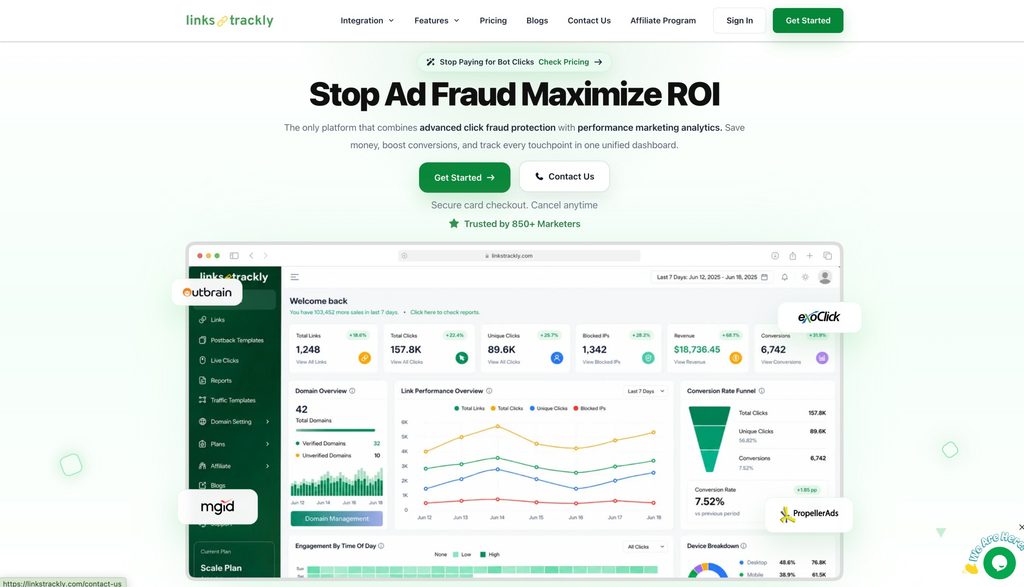
Linkstrackly is the first option to evaluate if your priority is connecting marketing-link activity with traffic quality and campaign performance.
For affiliate marketers, paid media teams, and businesses that rely on trackable links, a campaign report showing a large number of clicks is only the beginning. You also need to understand where the visits came from, whether the activity looks suspicious, and what happened after visitors reached the destination.
Linkstrackly positions itself as a platform combining click-fraud protection, link tracking, campaign attribution, visitor analytics, and reporting. Its website also lists capabilities such as traffic controls, advanced targeting rules, custom conversion events, real-time analytics, and click-threshold limitations. The exact features available to you should be confirmed against the current plan and setup.
For marketers evaluating performance marketing software, this combination may be useful when traffic quality is as important as traffic volume. Rather than treating every click as equally valuable, teams can investigate unusual patterns and compare activity against downstream campaign results. Linkstrackly also describes support for tracking visitor behavior and examining reports through different data groupings.
Key features
- Link tracking and click analytics
- Visitor activity reporting
- Click-fraud monitoring and traffic controls
- Campaign attribution and conversion-event tracking
- Reporting to help investigate campaign trends
- WordPress-related link management capabilities described on its website
Pros
The main attraction is the emphasis on link-level visibility and traffic quality. Marketers who run multiple campaigns may benefit from having click monitoring and related analytics in one workflow. It is also worth considering if you need more insight into traffic arriving through affiliate links or paid advertisements.
Cons
A tracking platform should not automatically be treated as a replacement for every analytics or attribution system. Before committing, check whether its reporting, integrations, conversion definitions, and data exports fit your existing workflow. No anti-fraud product can guarantee that every invalid click will be identified or every genuine visitor will be classified correctly.
Best for
Affiliate marketers, performance agencies, paid traffic teams, and businesses that want to investigate suspicious clicks while improving visibility into tracked campaigns.
Practical tip: Test Linkstrackly with a campaign that already has measurable traffic and conversions. Compare its click reports with your advertising dashboard and website analytics. Investigate discrepancies before making major budget changes.
2. Google Analytics 4: Best for Website and Conversion Analytics
Website: https://analytics.google.com/
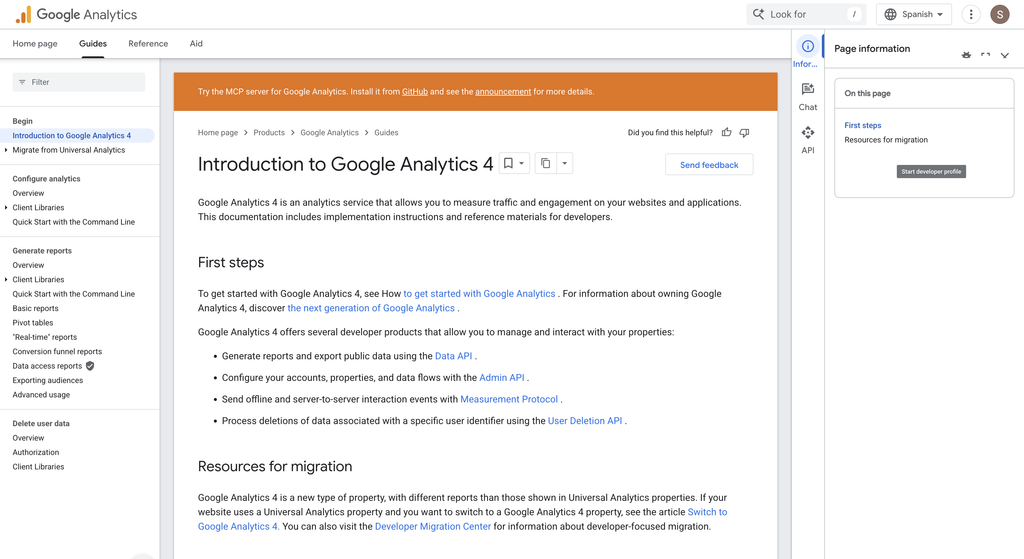
Google Analytics 4 (GA4) helps businesses understand how people arrive at a website or app and what they do afterward. It is particularly useful for teams that want to study landing-page engagement, traffic sources, user journeys, and configured conversion events.
When used as part of a wider performance marketing software setup, GA4 can help answer questions such as: Which landing pages attract engaged visitors? Which traffic sources produce completed forms? Where do users abandon the journey? Are visitors from a particular campaign completing the actions you care about?
GA4 is especially valuable when the tracking configuration reflects your real business goals. An ecommerce business may monitor purchases and revenue, while a lead-generation company may focus on form submissions, qualified inquiries, or booked demonstrations. Event names and conversion definitions should remain consistent so reports are easier to interpret.
Key features
- Website and app event measurement
- Traffic-source and campaign reporting
- Conversion and ecommerce reporting
- Audience analysis and exploratory reports
- Integration with other Google marketing products
Pros
GA4 is a useful foundation for website measurement and can help connect campaign traffic with onsite behavior. It is also attractive to businesses already using other Google marketing tools.
Cons
It requires correct implementation and a clear measurement plan. Attribution reports are not a perfect record of every interaction, and reporting differences can arise between analytics and advertising platforms. Some teams may also need additional tools for detailed link-level tracking, fraud investigation, or specialized affiliate reporting.
Best for
Businesses that want to understand website activity, user journeys, and conversions across multiple acquisition channels.
Practical tip: Define important events before launching campaigns. Test them, check for duplicate firing, and confirm that revenue or lead values are recorded correctly. Reliable data is more useful than a complex dashboard built on inconsistent events.
3. Google Ads: Best for Managing Paid Search Campaigns
Website: https://ads.google.com/

Google Ads is an advertising platform rather than a neutral, all-channel measurement system. It helps advertisers create and manage campaigns across Google’s advertising inventory, review performance, and adjust settings related to budgets, bidding, audiences, and keywords.
For businesses that depend on search advertising, it provides direct access to campaign-level information such as clicks, impressions, costs, and conversions configured for the account. This can make it easier to identify expensive keywords, compare ad groups, and assess whether a campaign is moving toward its intended goal.
As part of a performance marketing software strategy, Google Ads is particularly useful for optimizing activity within Google’s ecosystem. However, advertisers should not assume that its reported conversions will always match the numbers shown in their website analytics, CRM, or other advertising platforms. Different attribution rules, conversion windows, and counting methods can produce different totals.
Key features
- Search and other Google advertising campaign management
- Budget and bid controls
- Keyword and audience targeting
- Conversion measurement
- Campaign performance reporting
Pros
Google Ads brings campaign management and advertising-specific reporting together. Marketers can use the information to refine keywords, ad messaging, bidding approaches, and landing-page strategies.
Cons
It is primarily focused on advertising within its own ecosystem. Teams running campaigns across multiple networks may still need a separate reporting process to compare results consistently.
Best for
Search advertisers, ecommerce businesses, lead-generation companies, and marketers who want to manage and optimize Google campaigns.
Practical tip: Review cost per qualified conversion, not just cost per click. A cheaper click does not necessarily produce a better customer, and a campaign with a higher initial acquisition cost may generate stronger long-term value.
4. Meta Ads Manager: Best for Facebook and Instagram Advertising
Website: https://www.facebook.com/business/tools/ads-manager

Meta Ads Manager provides tools for creating, managing, and measuring advertising campaigns across Meta’s supported placements. It is useful for marketers running prospecting campaigns, retargeting, creative tests, and audience experiments.
Its reporting can help advertisers compare ad sets, placements, creatives, and campaign objectives. This information matters when a campaign generates plenty of engagement but struggles to deliver purchases, registrations, or leads. The platform also provides controls for budgets, audiences, placements, and optimization settings.
In a broader performance marketing software workflow, Meta Ads Manager is best understood as a source of platform-specific campaign information. Marketers can compare its reports with website analytics, CRM records, and revenue data to develop a more complete view of campaign results.
Key features
- Campaign and ad-set management
- Audience and placement controls
- Creative testing and reporting
- Conversion measurement through supported tracking configurations
- Budget management and campaign optimization
Pros
It is convenient for managing campaigns across Meta’s advertising ecosystem. Its campaign breakdowns can help teams understand how different creatives and audiences perform.
Cons
Platform-reported results may differ from external analytics because of attribution settings, privacy restrictions, and differences in measurement methods. A campaign can also appear successful against one metric while producing weak business outcomes.
Best for
Businesses using Facebook and Instagram ads for ecommerce, lead generation, app promotion, and customer acquisition.
Practical tip: Give creative tests a clear hypothesis. Test one meaningful variable at a time when practical, and evaluate results using a business-relevant conversion metric rather than engagement alone.
5. HubSpot Marketing Hub: Best for B2B Lead Generation and CRM-Connected Marketing
Website: https://www.hubspot.com/products/marketing
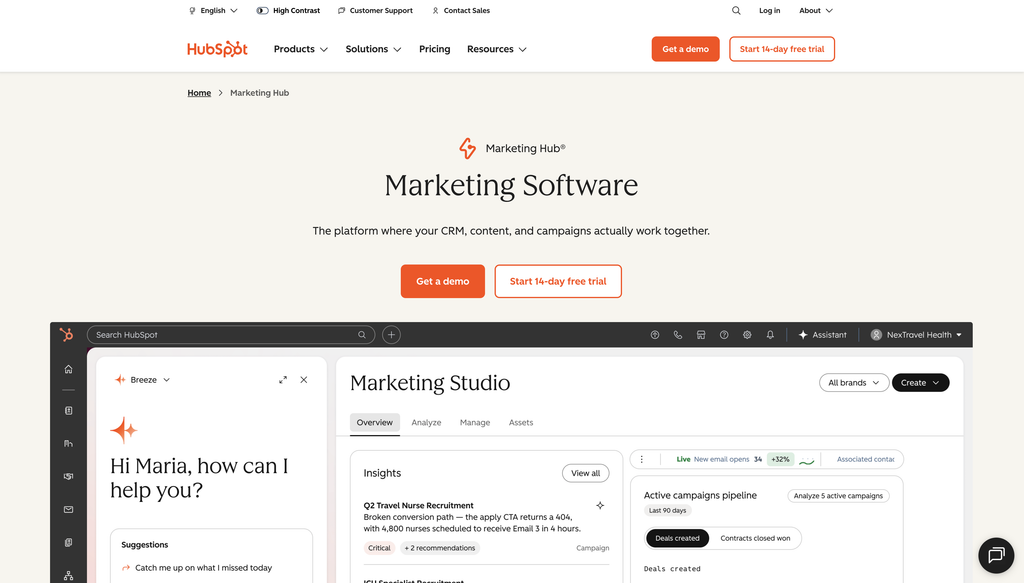
HubSpot Marketing Hub connects marketing activities with tools for lead management, automation, and customer relationship workflows. It is particularly relevant to businesses where a form submission is only the first step in a longer sales process.
For example, a B2B company may generate leads through search ads, webinars, email campaigns, and downloadable resources. Not every lead will be ready to purchase. By connecting marketing activity with CRM records and sales stages, teams can investigate which campaigns generate qualified prospects and which lead sources eventually contribute to revenue.
That makes HubSpot a potential part of a performance marketing software stack for businesses that need to connect acquisition activity with lead nurturing and sales follow-up. Its usefulness depends on the features included in the chosen subscription, how the CRM is configured, and the quality of the data entering the system.
Key features
- Marketing campaign management
- Lead capture and nurturing workflows
- Email marketing and automation
- CRM-connected contact records
- Reporting across supported marketing activities
Pros
It can help marketing and sales teams work from a shared view of contacts and lead progress. This is useful when a campaign’s value cannot be measured accurately by counting initial conversions alone.
Cons
The breadth of the platform may be more than a small business needs. Pricing, feature availability, and implementation complexity should be reviewed carefully, particularly if advanced automation or reporting is required.
Best for
B2B companies, service businesses, and teams that need to connect marketing campaigns with lead qualification and sales activity.
Practical tip: Agree on a shared definition of a qualified lead with the sales team. Then track the progression from initial inquiry to qualified opportunity and closed business wherever the data is available.
6. AppsFlyer: Best for Mobile App Attribution
Website: https://www.appsflyer.com/
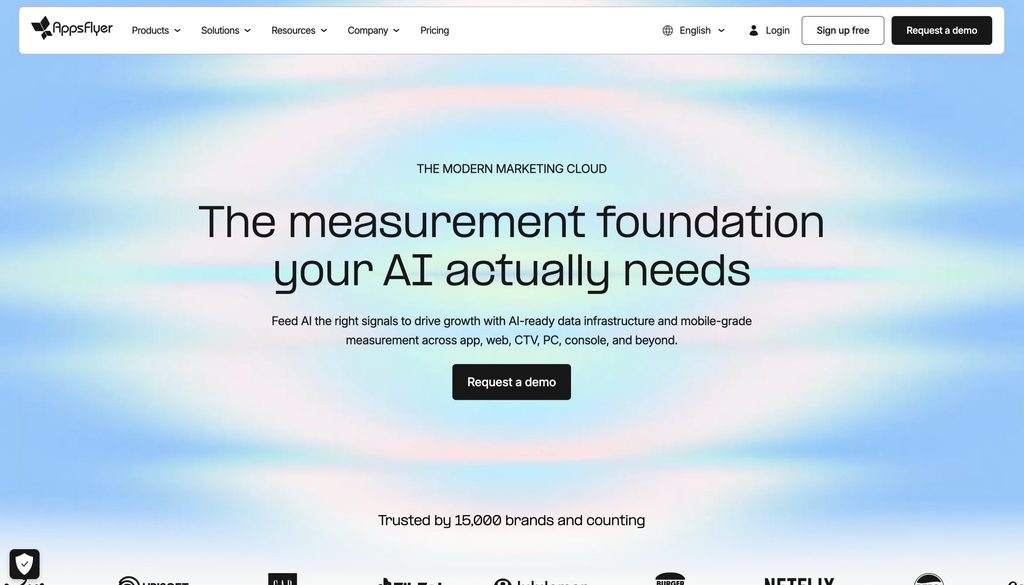
AppsFlyer focuses on mobile measurement, attribution, and related marketing analytics. It is designed for businesses that promote apps and need to understand how acquisition campaigns relate to installs and subsequent in-app activity.
For an app-based business, an installation may not be the final goal. A gaming company might care about completed tutorials or purchases, while a subscription app may prioritize trials and paid subscriptions. A mobile attribution platform can help organize these events and compare performance across supported advertising partners and campaign sources.
Within a performance marketing software stack, AppsFlyer can support mobile acquisition analysis by helping teams connect advertising activity with app events. Implementation details matter: event definitions, SDK configuration, partner integrations, privacy frameworks, and attribution settings all influence what the reports can show.
Key features
- Mobile attribution and measurement
- App-install and in-app event analysis
- Partner integrations
- Campaign reporting
- Tools for mobile marketing measurement and fraud-related analysis, depending on the products and plan
Pros
It is purpose-built for mobile app measurement and can help growth teams compare app acquisition campaigns. It is more specialized than general website analytics.
Cons
Mobile attribution can be technically complex, and privacy-related restrictions can limit available signals. Businesses should review integration requirements, supported partners, plan details, and reporting limitations before adoption.
Best for
Mobile app developers, subscription businesses, gaming companies, and app marketers managing multiple acquisition sources.
Practical tip: Track the events that indicate user quality, not only installs. Review retention, trial starts, subscriptions, or other meaningful in-app actions alongside acquisition cost.
7. Adjust: Best for Mobile Measurement and App Growth Analysis
Website: https://www.adjust.com/
Adjust is another mobile measurement and attribution platform aimed at businesses that need to evaluate app marketing campaigns. It supports workflows involving attribution, in-app events, and analysis of mobile acquisition activity.
The distinction between an install and a valuable user is important. An acquisition campaign may generate a large number of installs but attract people who never return. By measuring relevant downstream events, app marketers can compare campaign quality more effectively and make more informed decisions about budgets.
As a performance marketing software option for mobile teams, Adjust is worth comparing with other mobile measurement providers based on partner support, privacy requirements, event reporting, implementation demands, and total cost.
Key features
- Mobile attribution
- In-app event measurement
- Campaign performance analysis
- Integration with supported advertising partners
- Fraud-prevention and measurement capabilities, depending on the product configuration
Pros
It is focused on app marketing needs and can help teams organize campaign measurement across supported channels. It can be especially relevant to businesses with multiple campaigns and a meaningful volume of mobile users.
Cons
Like other mobile attribution tools, its usefulness depends on accurate implementation and the signals available under applicable privacy rules. Some businesses may find a specialist mobile platform unnecessary if their app acquisition activity is limited.
Best for
Mobile-first companies, app growth teams, subscription services, and developers who need structured campaign measurement.
Practical tip: Compare attribution tools using your actual event requirements. A product that supports the integrations and reporting your team uses daily may be more valuable than one with a longer list of features you do not need.
8. Triple Whale: Best for Ecommerce Performance Analytics
Website: https://www.triplewhale.com/
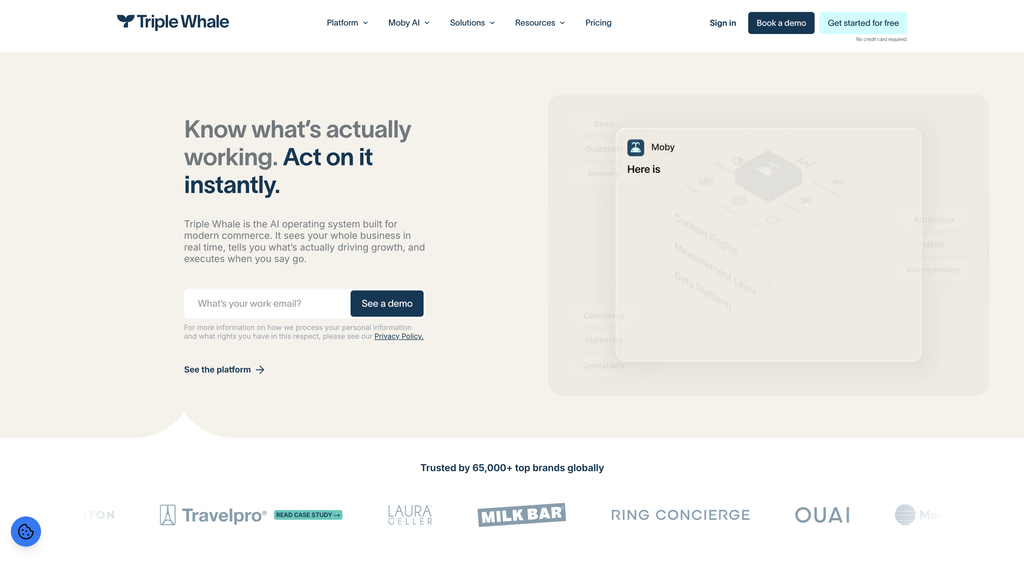
Triple Whale is known for ecommerce-focused analytics and reporting, particularly for direct-to-consumer brands. Ecommerce marketers often need to compare advertising costs with orders, revenue, customer acquisition, and other store metrics. The challenge becomes harder when sales and marketing data live across several systems.
An ecommerce analytics platform can help organize those signals and give teams a clearer view of performance. However, revenue attribution is not always straightforward: platforms may report the same order differently, and customer journeys can include several touchpoints before purchase.
For stores considering performance marketing software, Triple Whale may be relevant when ecommerce reporting and marketing analysis are central requirements. Before choosing it, confirm supported store platforms, advertising integrations, data definitions, pricing, and the capabilities included in the current plan.
Key features
- Ecommerce-focused dashboards and reporting
- Marketing performance analysis
- Connections to supported commerce and advertising systems
- Store and campaign performance insights
- Analytics features that vary by plan
Pros
Its ecommerce focus may suit direct-to-consumer teams that want a consolidated view of store and advertising metrics. It can help teams move beyond evaluating each advertising channel in isolation.
Cons
A specialized ecommerce product may be less suitable for B2B organizations or businesses whose main conversions happen outside an online store. Attribution outputs should be interpreted alongside order records and other reliable sources.
Best for
Direct-to-consumer brands, online retailers, and ecommerce marketing teams managing multiple paid acquisition channels.
Practical tip: Review contribution margin as well as revenue. Product costs, discounts, fulfillment, refunds, and repeat purchases can change whether a campaign is truly profitable.
9. Voluum: Best for Affiliate and Paid-Traffic Campaign Tracking
Website: https://voluum.com/
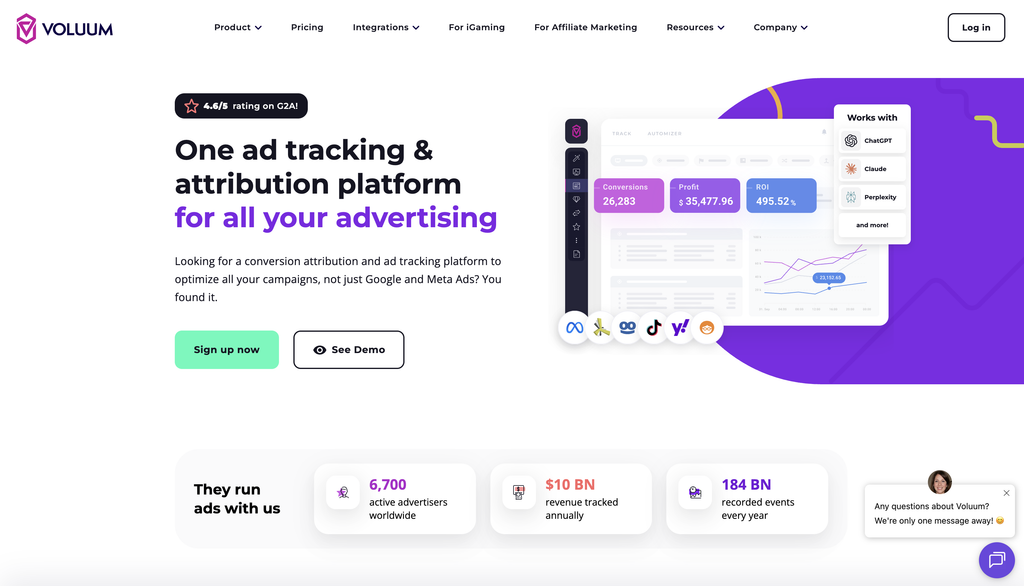
Voluum is a campaign-tracking platform associated with affiliate marketing and paid traffic. It is relevant to marketers who need detailed visibility into campaigns, traffic sources, offers, and conversion activity.
Affiliate campaigns can involve several traffic sources, multiple offers, landing-page variations, and different payout arrangements. Without consistent tracking, comparing results can become difficult. A specialist tracker can help organize campaign data and provide more granular views than a basic spreadsheet.
For affiliate teams, performance marketing software such as Voluum may be useful when they need to compare campaign variations and understand which combinations of traffic and offers are producing conversions. The actual value depends on tracking configuration, available integrations, reporting limits, and the marketer’s ability to interpret the data correctly.
Key features
- Campaign and traffic-source tracking
- Conversion reporting
- Campaign comparison and optimization workflows
- Reporting for affiliate marketing use cases
- Integrations and automation features depending on plan
Pros
Its affiliate-oriented approach can suit marketers who manage many offers and campaign variations. It can help organize tracking data and make comparisons more systematic.
Cons
Specialist tracking platforms require a well-planned setup. Users need to understand their tracking links, conversion events, and traffic-source parameters. Costs and feature limits should also be checked against expected campaign volume.
Best for
Affiliate marketers, media buyers, agencies, and teams managing multiple offers or paid traffic sources.
Practical tip: Keep campaign naming and tracking parameters consistent. When each campaign follows a predictable structure, reports are easier to compare and mistakes are easier to investigate.
10. RedTrack: Best for Paid Media and Affiliate Campaign Measurement
Website: https://www.redtrack.io/
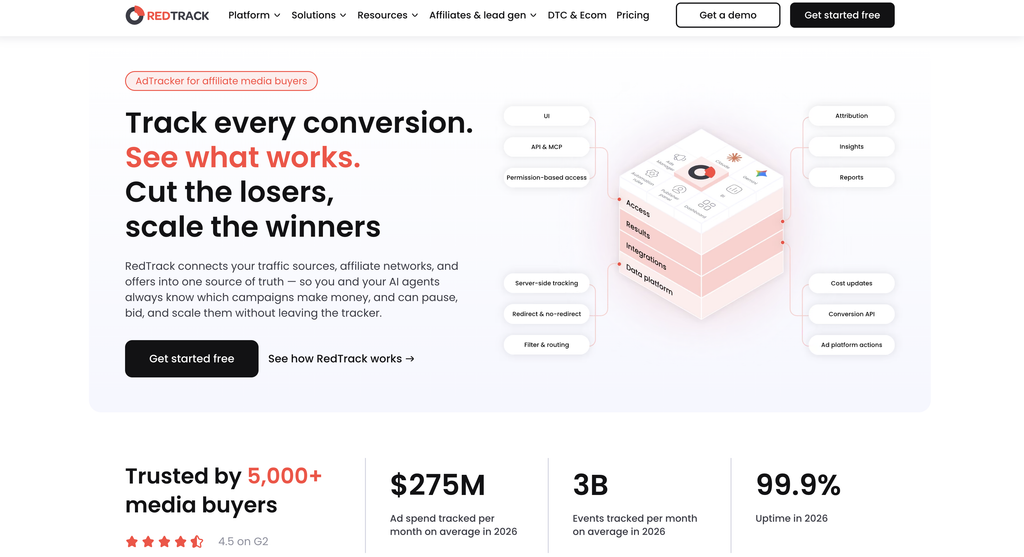
RedTrack offers campaign tracking and analytics aimed at performance marketers, including workflows associated with affiliate and paid media campaigns. It is worth evaluating for teams that want to consolidate reporting and analyze how traffic sources relate to conversions.
Paid acquisition teams frequently work across advertising accounts, landing pages, offers, and conversion systems. Their challenge is not merely collecting numbers; it is ensuring that the numbers use compatible definitions and can be connected to meaningful outcomes.
A performance marketing software product such as RedTrack can be useful when the team needs a dedicated campaign-tracking layer to complement its advertising dashboards. Compare its integrations, conversion tracking, reporting features, data limits, and setup requirements against your current workflow before making a decision.
Key features
- Campaign tracking and reporting
- Paid media and affiliate-focused workflows
- Conversion measurement
- Integration options for supported marketing systems
- Reporting and automation features according to plan
Pros
It is designed for campaign measurement use cases and may help marketers organize performance data from different traffic sources. A dedicated tracker can also support more structured campaign comparisons.
Cons
The platform still depends on accurate configuration and the quality of the incoming data. Teams should check which integrations and capabilities are included in their intended plan, rather than assuming every feature is available at every subscription level.
Best for
Media buyers, affiliate marketers, and performance teams that need a dedicated layer for campaign tracking and reporting.
Practical tip: Test the platform against a real campaign before migrating your whole workflow. Validate click tracking, conversion reporting, and the way it handles your key traffic sources.
Quick Comparison: Which Tool Fits Your Needs?
| Tool | Primary use case | Best suited to |
|---|---|---|
| Linkstrackly | Link tracking and click-fraud monitoring | Affiliate and paid traffic teams |
| Google Analytics 4 | Website and app analytics | Businesses measuring onsite behavior |
| Google Ads | Paid search campaign management | Search advertisers |
| Meta Ads Manager | Meta advertising campaigns | Facebook and Instagram advertisers |
| HubSpot Marketing Hub | Marketing automation and CRM-connected reporting | B2B and lead-generation teams |
| AppsFlyer | Mobile attribution | App growth teams |
| Adjust | Mobile measurement | Mobile-first businesses |
| Triple Whale | Ecommerce analytics | Online retailers and DTC brands |
| Voluum | Affiliate and paid-traffic tracking | Affiliate marketers and media buyers |
| RedTrack | Campaign tracking and reporting | Paid media and affiliate teams |
The right choice depends on your measurement problem, not just the number of features a product advertises. One tool may handle click quality while another measures website behavior, app events, or sales pipeline activity.
What Is the Difference Between Tracking, Attribution, and Marketing Performance Management?
These terms are often used together, but they do not mean exactly the same thing.
Tracking collects information about activity, such as clicks, sessions, events, and conversions. A tracker may help you see what happened when someone interacted with a campaign link.
Attribution attempts to assign credit to marketing touchpoints that contributed to a conversion. Different models can assign credit differently, and none should automatically be treated as a perfect account of causality.
Marketing performance management software is a broader category that may include planning, budgeting, forecasting, reporting, and evaluation of marketing results against business goals. It can be useful for teams that need to connect execution with management-level decisions.
A performance marketing platform may combine some of these functions, but terminology varies between vendors. Read the actual feature list and product documentation rather than assuming two similarly named products do the same job.
Similarly, performance marketing tracking software generally emphasizes collecting and analyzing campaign activity. Some products focus on clicks and conversions, while others offer broader analytics or optimization features.
If your main priority is link-level reporting and suspicious traffic monitoring, a specialist tool may be appropriate. If you need a consolidated view of lead generation, customer revenue, and marketing spend, you may need a broader reporting stack.
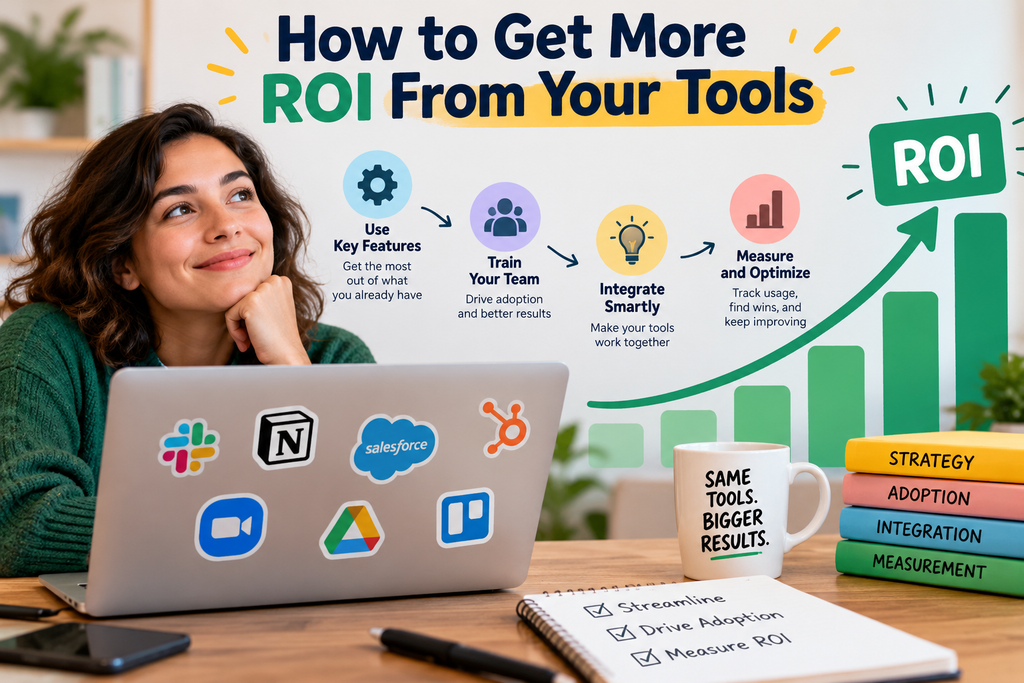
How to Get More ROI From Your Tools
Buying software is only the first step. Results improve when the team uses the data consistently and connects reporting to clear decisions.
1. Set measurable campaign goals
Define what success means before launching a campaign. A useful goal might be qualified leads at an acceptable cost, profitable purchases, paid subscriptions, or another outcome tied to business value.
Avoid using clicks or impressions as your only measure of success unless reach or engagement is itself the goal.
2. Standardize campaign naming and tracking parameters
Use consistent campaign names and UTM parameters across channels. Include useful information such as source, medium, campaign, and creative variation when appropriate.
A standard naming system makes reports easier to filter and reduces the chance that similar campaigns will appear under unrelated labels.
3. Validate your conversion tracking
Test the full journey from the ad or link to the final conversion. Check that events fire correctly, values are recorded as intended, and duplicate conversions are not inflating results.
Where possible, compare analytics records with reliable business systems such as order databases or CRM records.
4. Investigate traffic quality
A sudden increase in clicks does not always mean a campaign is improving. Review unusual traffic patterns, engagement, conversion rates, and other indicators that can help distinguish meaningful visits from suspicious or low-quality activity.
Use anti-fraud controls carefully. A false positive can prevent a legitimate potential customer from reaching your offer.
5. Connect marketing data with business outcomes
Campaign reports become more useful when they can be compared with revenue, lead quality, retention, or other relevant business metrics. A low cost per lead can look attractive until the sales team discovers that few leads are suitable.
A reliable performance marketing software workflow should help your team ask better questions, such as which campaigns attract the right customers and which landing pages need improvement.
6. Test one meaningful change at a time
If you change your audience, creative, landing page, offer, and budget simultaneously, it becomes difficult to identify what caused the result. Where practical, use structured tests and allow enough time or volume to interpret the outcome.
Not every experiment will produce a winner. A useful test can still teach you which message or audience is less effective.
7. Review results on a consistent schedule
Create a reporting routine that fits your campaign volume. Some teams need frequent checks for pacing or unusual activity, while others benefit from weekly or monthly reviews of conversion quality and profitability.
The goal is to act on meaningful signals without reacting to every short-term fluctuation.
Common Mistakes to Avoid
Even well-equipped marketing teams can make measurement errors. Avoid these common pitfalls:
- Choosing a tool before defining the problem. Start with the decision you need to make, then identify the data required to make it.
- Assuming every dashboard will show identical numbers. Different systems may use different attribution rules, time windows, and counting methods.
- Tracking clicks without downstream results. Click volume alone does not prove that a campaign is generating value.
- Ignoring implementation quality. Incorrect event setup can make even sophisticated reports misleading.
- Overreacting to short-term changes. Check whether a result is statistically and commercially meaningful before making major budget decisions.
- Overlooking privacy and consent requirements. Review the applicable rules, vendor documentation, and your own data-handling responsibilities.
- Paying for features your team will not use. Select the capabilities that match your current needs while allowing reasonable room for growth.
Good performance marketing software supports sound decisions, but it cannot replace a clear strategy, correct configuration, or thoughtful analysis.
How to Choose Between Performance Marketing Solutions
When comparing performance marketing solutions, focus on the problem you need to solve today and the requirements you are likely to have as your campaigns grow.
If you manage affiliate links or paid traffic and need better visibility into click activity, begin by evaluating a specialist tracker such as Linkstrackly. If your biggest challenge is understanding website engagement, GA4 may be the right foundation. Mobile app businesses should compare attribution platforms such as AppsFlyer and Adjust, while ecommerce brands may prefer a solution built around store data.
For cross-channel reporting, look for the best cross-channel attribution software for performance marketers based on your real channels, data sources, and reporting needs. Confirm how each vendor defines conversions, handles attribution, supports integrations, and communicates uncertainty. No platform can eliminate every measurement gap.
You should also assess how the tools fit together. Your advertising platform, website analytics, CRM, and campaign tracker may all contribute useful information. They do not necessarily need to be replaced by one all-in-one product, provided you have a consistent process for interpreting their results.
Finally, run a practical trial where possible. Use a live campaign, test the events that matter, review the reports, and ask the people who will use the platform whether it makes their work easier. A successful evaluation should demonstrate practical value—not merely an attractive dashboard.
Conclusion
Choosing the right tracking and analytics stack can make campaign decisions clearer, reporting more consistent, and wasted effort easier to investigate. The most suitable tool depends on what you promote, where your traffic comes from, how you define a conversion, and which outcomes your business needs to improve.
Linkstrackly is a strong starting point to evaluate if your priority is link tracking, visitor analytics, campaign attribution, and click-fraud monitoring. Google Analytics 4 and the major advertising platforms can complement that work, while HubSpot, AppsFlyer, Adjust, Triple Whale, Voluum, and RedTrack serve more specialized needs.
The key is to build a measurement process that reflects real business goals. Start with one clearly defined problem, validate your tracking, and use the results to make controlled improvements. The right combination of tools can help you move from simply reporting campaign activity to understanding which activities are worth continuing, changing, or scaling.
Frequently Asked Questions
1. What is performance marketing software?
It is a category of tools used to track, analyze, and improve marketing campaigns based on measurable outcomes. Depending on the product, capabilities may include link tracking, conversion reporting, attribution, advertising management, and traffic-quality monitoring.
2. Which tool is best for affiliate marketers?
The best option depends on campaign complexity and reporting needs. Linkstrackly, Voluum, and RedTrack are worth evaluating for link or campaign tracking workflows. Compare supported traffic sources, conversion tracking, integrations, pricing, and reporting before choosing.
3. Is Google Analytics 4 enough to track every campaign?
GA4 is useful for website and app analytics, but it may not cover every specialist need. Affiliate teams, mobile app marketers, and businesses investigating suspicious clicks may require additional tools. Check whether your existing setup answers the questions you need to act on.
4. How does click-fraud monitoring help marketers?
Click-fraud monitoring can help identify suspicious activity that may distort reporting or consume advertising spend. Detection is not perfect, so flagged traffic should be interpreted carefully and controls should be reviewed for false positives.
5. What is the difference between tracking and attribution?
Tracking records activity such as clicks, visits, and conversions. Attribution attempts to assign credit to touchpoints that contributed to a conversion. Tracking provides data for analysis, while attribution applies a method for interpreting how marketing interactions relate to outcomes.
6. What should I look for in performance marketing tracking software?
Prioritize accurate event measurement, useful reporting, relevant integrations, reliable data exports, clear pricing, and compatibility with your campaign types. Ease of implementation and the ability to validate results are also important.
7. Can one platform manage every marketing channel?
Some platforms offer broad integrations, but no single product necessarily covers every channel or measurement requirement equally well. Many teams use a combination of advertising platforms, analytics tools, CRM systems, and specialist trackers.
8. How can I measure campaign ROI more accurately?
Define the relevant business outcome, record campaign costs, validate conversion tracking, and connect campaign data with revenue or lead quality where possible. Include relevant costs and account for the time period being evaluated. Return on ad spend and overall ROI are related but different measures.
9. Is marketing performance management software the same as a campaign tracker?
Not necessarily. A campaign tracker usually focuses on activity and conversion measurement. Marketing performance management software may also support planning, budgeting, forecasting, and reporting against broader business goals. Product definitions vary, so check the actual capabilities.
10. How should I start choosing a tool in 2026?
Begin by identifying your biggest measurement gap, listing the channels you use, and defining the conversion you want to improve. Shortlist products that fit those needs, verify current pricing and integrations, and test the setup against a real campaign before committing to a larger rollout.